
Understanding the Core Benefits and Effectiveness of Virtual Therapy
The adoption of telehealth has transformed how partners access professional relationship support across the country. In the past, seeking help required battling rush-hour traffic, rearranging complex work schedules, and arranging expensive childcare just to make a single appointment. Today, couple counselling online brings clinical care directly into your living room. Sitting together on your own couch—perhaps with a warm cup of coffee or a favorite pet nearby—fosters immediate emotional safety and grounded comfort. This familiar environment helps lower personal defenses, allowing partners to share more openly and vulnerable than they might in a formal office setting.
Beyond sheer convenience, conducting therapy within the home space where relational difficulties actually occur carries unique clinical advantages. Instead of discussing an argument in a distant office setting hours after the fact, you engage with your therapist right where everyday domestic dynamics unfold. Eliminating long commutes also preserves precious energy, enabling couples to show up to their sessions refreshed, focused, and ready for meaningful, productive conversation.
Clinical Evidence and Effectiveness Rates
A common question couples ask before beginning care is whether virtual care produces real, lasting results compared to traditional office visits. Extensive research confirms that online relationship counseling is just as effective as in-person sessions for most relational concerns. Clinical frameworks like Emotionally Focused Couples Therapy (EFT) demonstrate that 70% to 75% of couples move from deep distress to recovery, with roughly 90% showing significant relational improvement overall regardless of whether sessions take place online or in person.
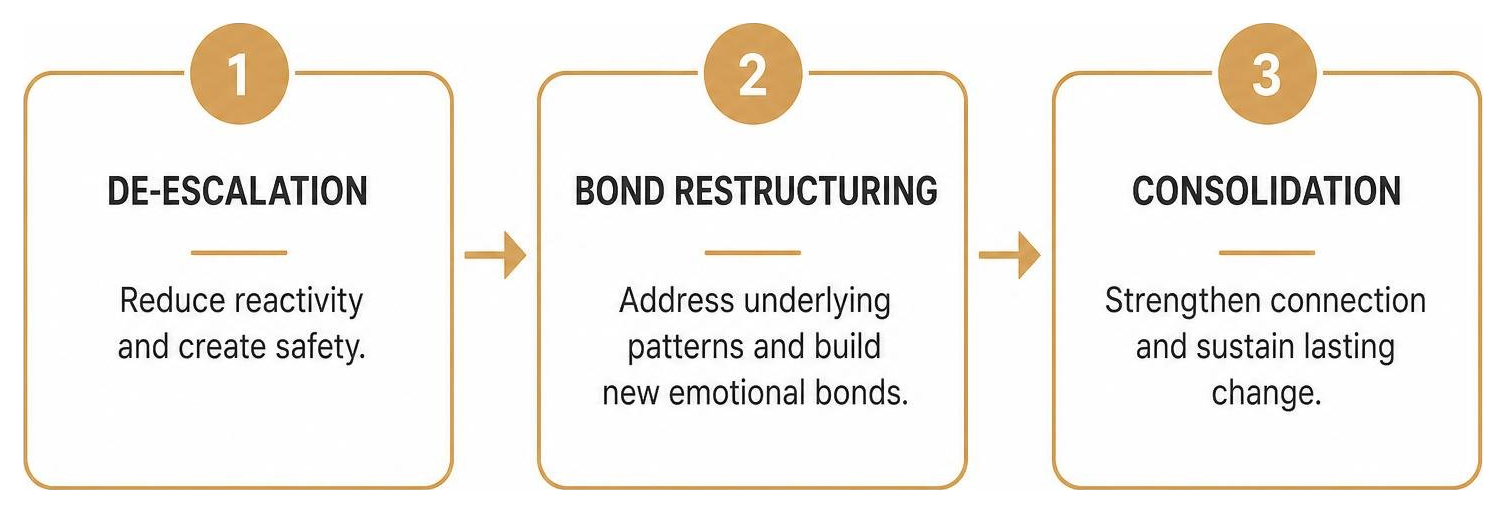
Many couples notice meaningful, tangible progress within 8 to 12 sessions. Proven clinical methodologies, such as EFT and the Gottman Method, focus on tracking outcome data session by session to evaluate progress, measure emotional safety, and refine therapeutic techniques to fit your specific relationship goals.
Addressing Core Relational Issues Through Couple Counselling Online
Virtual therapy addresses a wide spectrum of marital and relational challenges. Whether you need an Online Relationship Therapy Complete Guide or targeted support for acute marital stress, remote sessions provide structured, effective help for issues such as:
- Communication breakdowns: Learning why partners fall into repetitive dynamics and destructive escalation loops, as explored in Why Couples Repeat The Same Argument 101.
- Marital drift: Reconnecting after years of slowly growing apart due to busy work schedules, parenting duties, and emotional neglect.
- Emotional burnout: Rebuilding emotional bandwidth and empathy when caretaking, financial stress, or career strain depletes your bond.
- Parenting stress: Aligning discipline strategies, balancing parental roles, and supporting children together effectively.
- Infidelity and trust recovery: Working through affair recovery with safety, clear structure, accountability, and professional guidance.
Ultimate Checklist for Starting Couple Counselling Online
Preparing for remote therapy involves checking off essential technical, logistical, and environmental requirements to ensure smooth, stress-free sessions that protect your emotional investment.
- Hardware & Connection: High-speed internet with a reliable camera, screen, and clear microphone setup.
- Backup Communications: A secondary phone protocol agreed upon with your therapist in case of unexpected internet interruptions.
- Platform Privacy: Standardized, HIPAA-compliant telehealth portals ensuring complete data encryption and privacy.
| Feature | Video-Based Online Therapy | Telephone Relationship Counseling |
|---|---|---|
| Visual Non-Verbal Cues | Full visibility of body language and facial expressions | Audio only; relies on vocal tone and pacing |
| Tech Requirements | High-speed internet, web camera, screen | Standard cellular or landline connection |
| Flexibility & Mobility | Requires a stationary, well-lit private space | Highly mobile; suitable during transit or walks |
| Interactive Tools | Digital screen sharing for exercises and guides | Verbal guidance and emailed homework worksheets |
Preparing Your Space and Tech for Couple Counselling Online
To make the most of each session, choose a quiet, fully private room where conversations cannot be overheard by children, roommates, or visitors. Position your laptop or device at eye level so both partners are clearly visible on screen without straining or constantly adjusting the display.
Pay close attention to room lighting; face a natural light source or lamp rather than placing a bright window directly behind you, which can cast dark shadows and obscure facial expressions. Test your microphone and speaker settings prior to logging in, and consider using a white noise machine or fan outside your door to ensure complete sound isolation and peace of mind.
Managing Boundaries and Pre-Session Transitions
When therapy happens at home, the boundary between daily living and therapeutic reflection can easily blur. Establishing simple pre-session rituals helps you mentally shift out of busy work mode and into therapy mode.
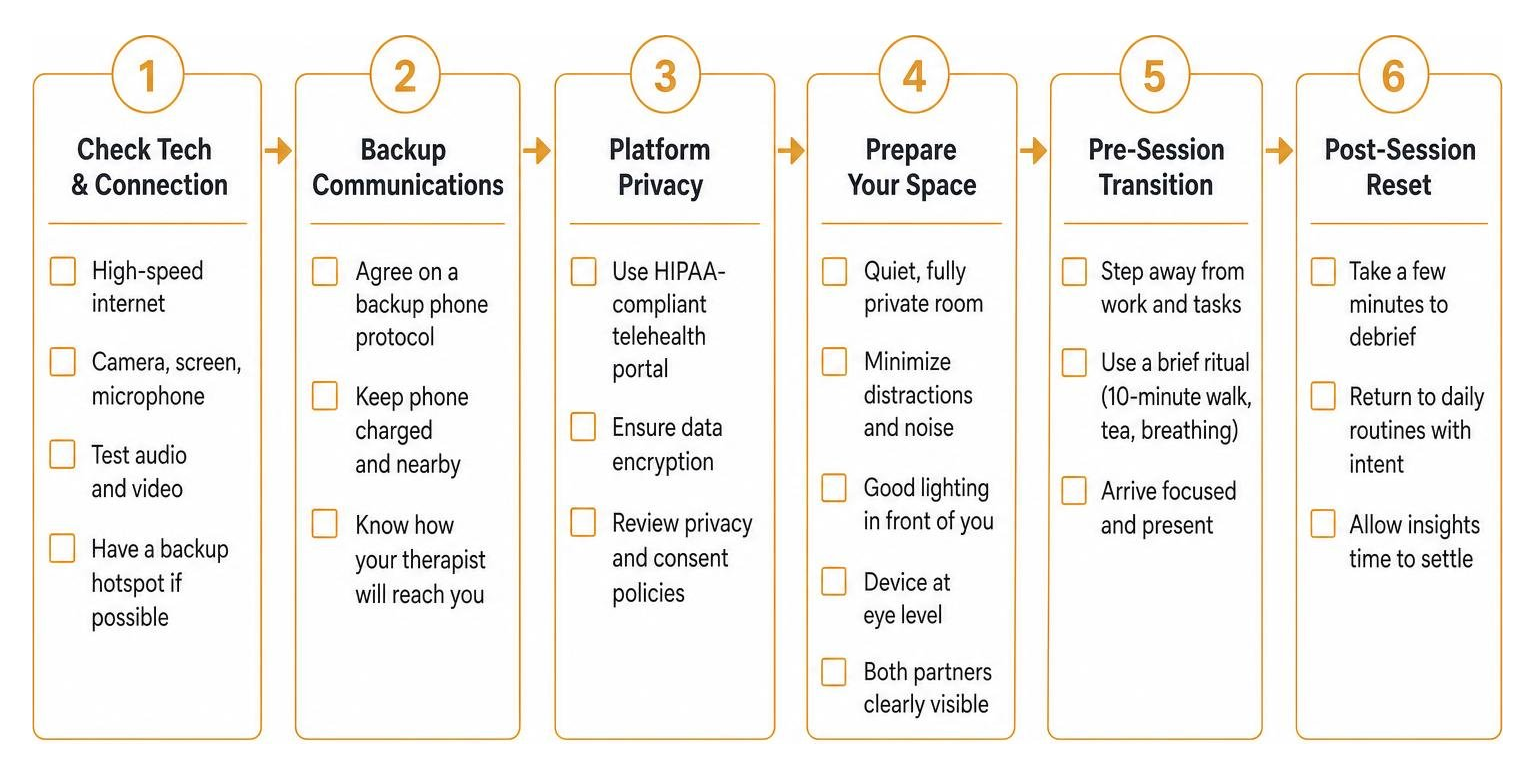
Taking a brief 10-minute walk, putting away work laptops, or brewing tea together before logging in creates a helpful buffer. After the session concludes, take time for a brief debrief or a moment of shared quiet before jumping right back into household chores or email. This intentional physical and mental separation protects your therapeutic work and gives key emotional insights room to settle deeply.
How to Select a Qualified Online Relationship Counselor
Choosing the right professional guide is one of the most critical steps in your healing journey. Ensure your prospective counselor holds active state licensure as a Licensed Professional Counselor (LPC) or Licensed Marriage and Family Therapist (LMFT). Look for clinicians specifically trained and certified in research-backed approaches, such as the frameworks detailed in our Gottman Marriage Counseling Complete Guide.
For many couples, integrating shared faith and moral values into counseling is essential for true healing. Faith-integrated care combines clinical best practices—like Gottman, EFT, Cognitive Behavioral Therapy (CBT), and EMDR—with spiritual principles rooted in Catholic and Christian traditions. Additionally, if language barriers or cultural differences exist, seeking multilingual clinicians ensures both partners can express subtle emotional nuances comfortably without feeling misunderstood.
Navigating Partner Reluctance and Single-Partner Attendance
It is entirely common for one partner to feel hesitant or skeptical about starting counseling. If your spouse is reluctant, frame therapy not as a punishment or a fix for a “broken” spouse, but as a constructive space to strengthen communication, reduce conflict, and achieve shared life goals.
If one partner declines to attend initially, you can still begin individual relationship counseling on your own. Working on your own emotional responses, communication patterns, and interpersonal boundaries often creates positive ripple effects across the overall relationship dynamic. For couples standing at a crossroads regarding the future of their marriage, specialized care such as An Introductory Guide To Discernment Counseling offers a structured, short-term path (typically 1 to 5 sessions) to gain clarity and confidence without the immediate pressure of long-term therapy.
Evaluating Financial Options and Alternative Remote Formats
Standard private therapy rates vary across regions and credentials, but affordable pathways exist for every couple seeking clinical support. Many clinical practices offer sliding-scale fee structures based on household circumstances, making specialized relationship care accessible without sacrificing clinical quality or therapist qualifications.
In addition to traditional live video sessions, alternative remote formats offer increased flexibility for busy schedules:
- Telephone Counseling: Ideal for couples with limited internet bandwidth, those on the go, or those seeking audio-only privacy. Learn more in our comprehensive Beginners Guide To Phone Counseling For Couples.
- Online Communities & Masterminds: Low-cost, expert-led online communities provide structured educational teaching, group interaction, expert guidance, and practical marriage resources at a fraction of traditional individual session costs.
Frequently Asked Questions about Couple Counselling Online
What should couples expect during their first online therapy session?
Your initial session focuses on intake documentation, establishing therapeutic rapport, and discussing your relationship history in a compassionate, judgment-free space. Your therapist will help clarify your primary goals, explore recurring communication challenges, and outline a tailored clinical roadmap designed specifically for your future appointments and relationship milestones.
How does online counselling ensure privacy and confidentiality?
Online sessions utilize HIPAA-compliant, fully encrypted telehealth portals designed specifically for medical and mental healthcare privacy. You receive secure, encrypted video links prior to each appointment. Furthermore, licensed therapists conduct all virtual sessions from private, closed-door offices to safeguard your personal health information and keep all conversations completely confidential.
Can online couple counselling work if partners are in different locations?
Yes. Secure telehealth platforms allow both partners to log in simultaneously from two separate devices or physical locations anywhere with internet access. This dual-location feature provides vital support for couples managing business travel, military deployments, long-distance relationships, or split co-parenting schedules. For specialized insight into remote setup options, consult our Best Long Distance Couples Counseling Guide.
Conclusion
Finding the right professional support for your relationship does not have to feel overwhelming or complicated. At Pax Renewal Center, located in Lafayette, Louisiana, our experienced team—led by Dan Jurek—blends clinical excellence with compassionate, faith-integrated care. By combining evidence-based methodologies like EFT, Gottman, CBT, and EMDR with Catholic and Christian spiritual values, we guide couples toward meaningful restoration, restored trust, and lasting emotional growth.
Whether you join us for individual therapy, virtual marriage counseling, or through our interactive Mastermind Program for Couples, top-quality relationship care is fully within reach. Take the first step today to interrupt negative interaction cycles and rebuild the connected, peaceful home life you and your family deserve.