

Why Life Transitions Shake Our Sense of Stability
Life transition counseling is a specialized form of therapy that helps people steer significant changes, like marriage, divorce, job loss, retirement, or becoming a parent, by providing emotional support, coping strategies, and tools to build resilience during periods of uncertainty.
What Life Transition Counseling Offers:
- Emotional Support – A safe space to process feelings of anxiety, grief, or overwhelm
- Coping Strategies – Practical techniques to manage stress and steer change
- Self-Findy – Clarity about your values, strengths, and goals during transitions
- Resilience Building – Skills to adapt to future changes with greater confidence
- Personalized Treatment – Custom approaches that fit your unique situation and faith
Change is one of the few constants in life. Yet even when we know it’s coming, transitions can feel overwhelming.
Why? Because humans crave predictability. We build routines, identities, and comfort zones. When life shifts—even in positive ways—those foundations shake.
Getting married, starting a new job, or welcoming a child are exciting milestones. But they still require us to let go of the old and accept the unfamiliar. That process isn’t always easy.
Major transitions disrupt our sense of normalcy. They trigger stress, anxiety, and sometimes grief. About 27% of American adults report being too stressed to function properly on most days. And with 1% of American workers losing their jobs each month, unexpected changes are a reality many face.
The good news? You don’t have to steer these shifts alone. Life transition counseling offers guidance, validation, and practical tools to help you move through change, not just survive it, but grow from it.
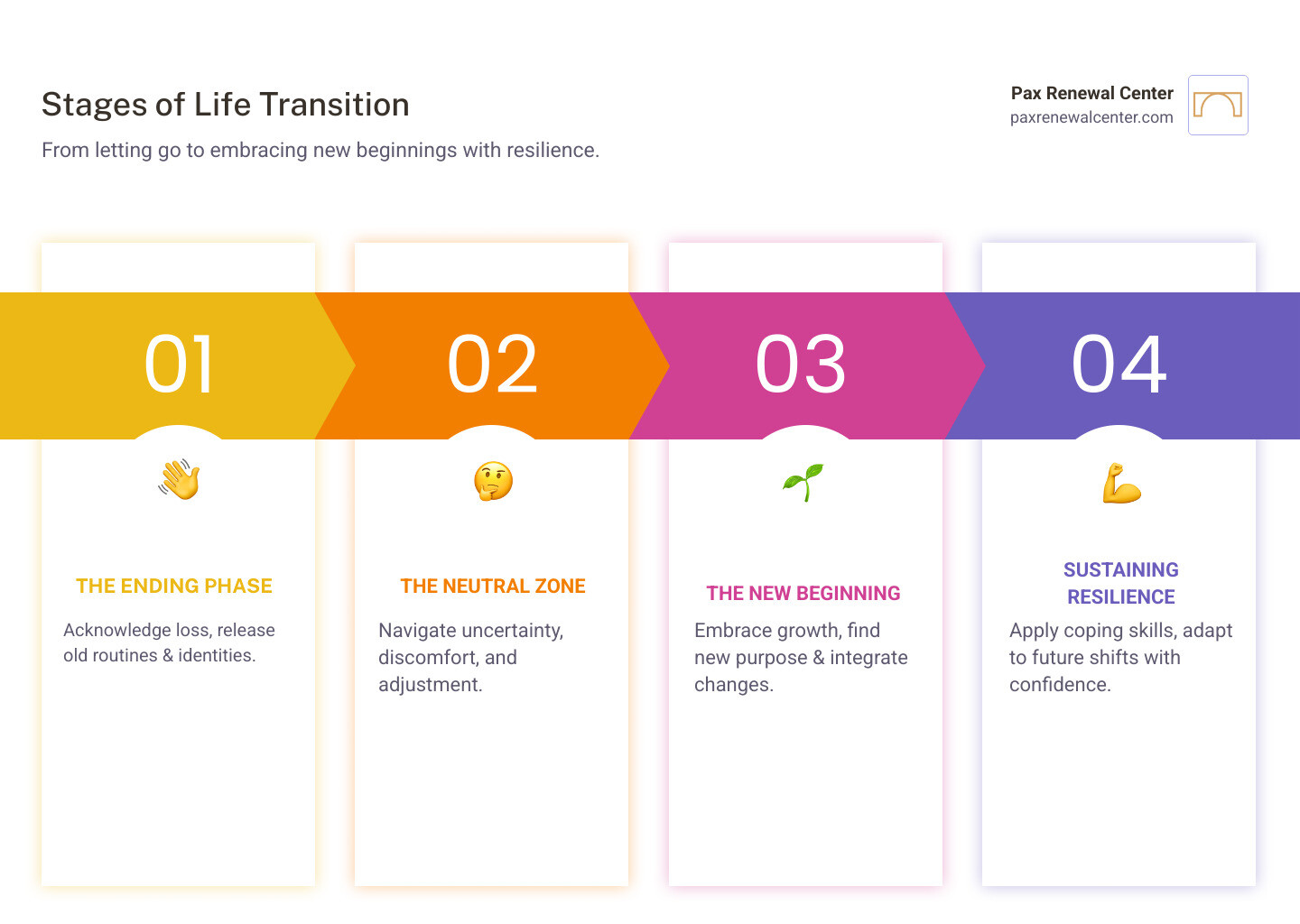
Understanding Life’s Major Shifts and Their Impact
Life is a dynamic journey, constantly evolving and presenting us with new chapters. These shifts, known as life transitions, are inherent to the human experience. While some transitions are celebrated and eagerly anticipated, others can be sudden, unwelcome, and profoundly challenging. Regardless of their nature, all major life changes demand adaptation, and this process can significantly impact our mental and emotional well-being.
The emotional impact of change is often underestimated. Even positive changes, like getting married or starting a dream job, can bring a surprising mix of emotions, excitement, joy, but also stress, anxiety, and even a sense of loss for what was. Our established routines, relationships, and even our sense of self can be disrupted, leading to feelings of uncertainty and being overwhelmed. This disruption is a key reason why about 27% of American adults are too stressed to function properly on most days.
When uncertainty increases, anxiety often follows. We might find ourselves worrying more, struggling with sleep, or feeling a persistent sense of unease. Our mental well-being is closely tied to our ability to steer these periods of flux. At Pax Renewal Center, we understand these challenges and offer comprehensive support for managing anxiety during transitions. You can learn more about how we help with anxiety on our Anxiety Counseling: Complete Guide page.
Types of Life Transitions
Life transitions come in many forms, each with its unique set of challenges and opportunities. Understanding the different types can help us better prepare and cope:
-
Personal Transitions: These relate to our individual identity, relationships, and family life.
- Marriage or Partnership: While joyful, it requires combining lives, merging finances, and adapting to new roles.
- Divorce or Separation: Represents the loss of a significant relationship, often evoking feelings akin to grief.
- Parenthood: The arrival of a child brings immense joy but also significant demands, sleep deprivation, and identity shifts.
- Empty Nest Syndrome: When children leave home, parents may experience sadness, anxiety, or a loss of purpose.
- Becoming an Empty Nester: This can be a time of refindy but also of profound adjustment for parents.
- Grief and Loss: The death of a loved one is a profound transition that can lead to intense mourning and sadness. For support in these times, our Grief Counseling Lafayette, LA: Complete Guide offers valuable resources.
- Relocation: Moving to a new city, state, or even just a new home can disrupt social networks and routines.
- Life-Changing Diagnosis: Dealing with a serious illness or health condition can dramatically alter life plans and self-perception.
- Coming Out: For LGBTQ+ individuals, this transition involves navigating identity, societal expectations, and potential rejection.
-
Professional Transitions: These relate to our careers and work life.
- Starting a New Job or Career Path: Exciting, but it also brings new responsibilities, learning curves, and workplace dynamics.
- Job Loss or Firing: Experiencing job loss can be mentally taxing, affecting finances and sense of purpose. It’s a common and impactful transition, with around 1% of American workers losing their jobs each month.
- Retirement: Moving from a structured work life to a more unstructured daily routine can lead to feelings of anxiety or depression.
- Promotion or Demotion: Changes in professional status require adjustments in responsibilities, expectations, and often identity.
Beyond these categories, life transitions can also be characterized by their predictability:
- Anticipated Transitions: These are expected, like graduating from college, getting married, or retiring. We often have time to prepare, but they can still be challenging.
- Unanticipated Transitions: These are sudden and unexpected, such as a car accident, a sudden job loss, or an unexpected divorce. They often leave us feeling shocked and unprepared.
- Sleeper Transitions: These occur gradually, often unnoticed until they’ve already happened. For example, slowly developing skills for a work task over time, leading to a promotion that feels earned rather than a sudden event, or conversely, a gradual decline in a relationship that eventually ends.
- Non-Event Transitions: These are transitions that were hoped for but did not occur, such as failing to get into a desired college, not receiving a promotion, or not having children despite wanting them. The absence of an expected event can be just as impactful as its presence.
When Change Leads to Distress
While change is a natural part of life, the emotional responses it triggers can sometimes lead to significant distress. It’s common to experience sadness, low self-esteem, or simply feel overwhelmed when navigating these shifts. We might find ourselves withdrawing from social activities, experiencing sleep challenges, or feeling a persistent sense of hopelessness.
For some, the stress of a life event can lead to an adjustment disorder. This is a group of stress-related conditions that occur after you experience a stressful or traumatic event. Symptoms can include intense emotional responses like anxiety, depression, or behavioral changes that are out of proportion to the stressor and interfere with daily functioning.
It’s important to recognize when these feelings become more than just temporary discomfort. If you are experiencing:
- Persistent feelings of stress, anxiety, or sadness that don’t lift
- Difficulty functioning in your daily life, work, or relationships
- Feeling isolated, overwhelmed, or like you’re losing control
- Changes in appetite, sleep patterns, or energy levels
- A general sense of hopelessness or despair
- Withdrawing from activities or people you once enjoyed
These are all signs that seeking professional help can be beneficial. Our team at Pax Renewal Center is here to provide the support and guidance you need during these challenging times.
The Role of Life Transition Counseling

When life throws us a curveball, or even when we’re walking into a planned new chapter, having a compassionate guide can make all the difference. Life transition counseling provides a structured, supportive space to process the emotional complexities of change and equip ourselves with the tools to thrive.
At Pax Renewal Center, we believe that effective counseling begins with creating a safe and supportive environment. This means a space where you feel heard, understood, and free from judgment, allowing you to openly explore the emotions and challenges you’re facing. We listen to your story, get to know your unique issues, and validate your feelings, no matter how complex or contradictory they may seem.
We don’t offer one-size-fits-all solutions. Instead, we work collaboratively to develop personalized treatment plans custom to your specific goals and circumstances. This individualized approach ensures that the support you receive is relevant and effective for your unique journey. Through this process, we focus on:
- Emotional Validation: Acknowledging and normalizing your feelings, helping you understand that it’s okay to feel anxious, sad, or uncertain during times of change.
- Building Resilience: Equipping you with the inner strength and coping mechanisms to bounce back from adversity and adapt to future changes with greater ease.
- Developing Coping Tools: Teaching practical strategies such as stress management, emotional regulation techniques, and problem-solving skills that you can apply immediately and in the future.
Our aim is to help you steer your current transition and emerge stronger, more self-aware, and better prepared for whatever life brings next. You can explore more about how we approach this on our Counseling for Life Transitions page.
Key Benefits of Seeking Therapy
Engaging in therapy during a life transition offers a multitude of benefits that extend far beyond simply “getting through” the change. It’s an investment in your long-term well-being and personal growth:
- Gaining Clarity and Perspective: Transitions often blur our vision, making it hard to see the path forward. Therapy helps you untangle thoughts, identify priorities, and gain a clearer understanding of your situation.
- Promoting Self-Awareness: By exploring your reactions, values, and underlying beliefs, you develop a deeper understanding of yourself, who you are, what matters to you, and how you respond to stress.
- Encouraging Personal Growth: Change, though difficult, is a potent catalyst for growth. Therapy helps you identify new possibilities, develop new skills, and evolve into a more resilient version of yourself.
- Stress Management: We teach you effective techniques to manage the inevitable stress and anxiety that accompany change, helping you maintain emotional balance.
- Identifying Strengths and Resources: Often, we overlook our own strengths and the resources available to us. Therapy helps you recognize these assets and leverage them to steer challenges.
- Goal-Setting for the Future: A key part of moving forward is envisioning what comes next. We help you set realistic, meaningful goals that align with your values, providing direction and a sense of purpose.
What to Expect in Your First Sessions
Beginning life transition counseling can feel like a big step, and it’s natural to wonder what the process entails. At Pax Renewal Center, we strive to make your initial experience as comfortable and informative as possible.
Your journey will typically begin with an initial consultation. This is a crucial first step where we get to know you, your current situation, and what brings you to counseling. We’ll discuss your specific challenges related to the life transition you’re experiencing, whether it’s a recent job loss in Lafayette, a major family change, or the emotional impact of a new relationship.
During these early sessions, we’ll spend time discussing your goals for therapy. What do you hope to achieve? What changes would you like to see in your life? This collaborative discussion helps us tailor our approach to your unique needs. We also focus on building a strong therapeutic relationship,a foundation of trust and understanding that is essential for effective counseling.
Together, we’ll begin creating a personalized plan. This plan isn’t rigid; it’s a dynamic roadmap that will evolve as you progress. It outlines the therapeutic approaches we’ll use, the skills you’ll learn, and the steps we’ll take to help you steer your transition successfully.
We encourage you to ask questions throughout this process. It’s your journey, and we want you to feel fully informed and comfortable every step of the way. For a more detailed overview of what to expect during your initial sessions, please visit our page on What You Can Expect From Psychotherapy: The First Sessions.
Therapeutic Approaches for Navigating Change
At Pax Renewal Center, we use a range of evidence-based therapeutic approaches, carefully selected and customized to each individual’s needs when facing life transitions. Our goal is to provide you with the most effective tools for understanding and managing your experiences. While talk therapy forms the backbone of our sessions, the specific techniques we employ can vary widely. Finding the right fit for you involves understanding your unique personality, the nature of your transition, and your personal goals.
Cognitive Behavioral Therapy (CBT)
Cognitive Behavioral Therapy (CBT) is one of the most widely recognized and effective approaches for managing the stress and emotional impact of life transitions. As the Mayo Clinic defines CBT, it’s a type of talk therapy that helps you identify and change unhelpful thinking patterns and behaviors.
During life transitions, it’s common to develop negative thought patterns or cognitive distortions. For example, after a job loss, one might think, “I’m a failure, I’ll never find another job.” CBT helps us:
- Identify Negative Thought Patterns: We work together to pinpoint these automatic, often negative, thoughts that contribute to distress.
- Reframing Thoughts: Once identified, we learn to challenge and reframe these thoughts into more balanced and realistic perspectives. For instance, “This job loss is difficult, but it’s an opportunity to explore new career paths and leverage my skills.”
- Behavioral Changes: CBT also focuses on practical problem-solving and making positive behavioral changes that can improve your situation and mood. This might involve setting small, achievable goals to regain a sense of control.
Narrative and Solution-Focused Approaches
Sometimes, a life transition feels like a story you’re stuck in, a narrative defined by struggle. Narrative therapy offers a powerful way to rewrite that story, helping you see yourself as separate from your problems. As one source notes, this approach helps clients separate themselves from their challenges, allowing them to develop a better understanding of how these challenges have influenced their lives without defining them entirely. We work to externalize the problem, giving you the agency to author a new, more empowering narrative for your life.
Solution-Focused Brief Therapy (SFBT) is another excellent approach for navigating transitions, particularly when you’re feeling overwhelmed by problems. According to Psychology Today, solution-focused therapy focuses entirely on the present moment and future solutions rather than dwelling on past problems. This approach helps us:
- Focus on Present Solutions: Instead of dissecting “why” a problem exists, we explore “how” to move forward.
- Building on Existing Strengths: We identify your inherent strengths, resources, and past successes, using them as building blocks for new solutions.
- Setting Small, Achievable Goals: This approach encourages identifying small, concrete steps that can lead to significant positive changes.
Other Effective Modalities Offered at Pax Renewal Center
At Pax Renewal Center, we integrate various therapeutic modalities to provide comprehensive support for our clients in Lafayette, Louisiana, including those facing life transitions.
- Mindfulness-Based Therapy: As a modified version of CBT, mindfulness-based therapy can introduce clients to meditation and breathing exercises that help them regulate their emotions and remain calm. This approach is invaluable for individuals struggling to stay present in the moment, especially when feeling overwhelmed by past regrets or future anxieties. It fosters emotional regulation and helps you cultivate a sense of inner peace amidst external chaos.
- Trauma-Informed Care: Many life transitions, particularly unanticipated ones like job loss, divorce, or the death of a loved one, can trigger past traumas or create new ones. Our trauma-informed approach acknowledges the widespread impact of trauma and integrates this understanding into all aspects of our care. We prioritize safety, trustworthiness, peer support, collaboration, empowerment, and cultural, historical, and gender issues. You can find more information about our specialized support on our Trauma Treatment page.
- Family Systems Therapy: Life transitions rarely happen in isolation; they impact entire family systems. Whether it’s a marriage, the arrival of a child, a divorce, or navigating the empty nest phase, family dynamics are often at play. Family systems therapy helps us understand how family patterns and relationships influence individual behavior and emotional well-being during transitions. This approach is particularly beneficial for couples and families in Lafayette seeking to steer changes together, fostering healthier communication and understanding.
Our faith-based approach also allows us to integrate spiritual guidance rooted in Catholic and Christian values, offering a holistic path to healing and renewal during these significant life changes.
Building Resilience: Practical Strategies for Coping
Navigating life transitions effectively isn’t just about getting through the tough times; it’s about building resilience so you can face future changes with greater strength and adaptability. While counseling provides a guided path, there are many practical strategies you can integrate into your daily life to support your well-being.
Establishing and maintaining self-care routines and healthy habits is paramount. This includes:
- Prioritizing Sleep: Aim for consistent, quality sleep to support mental and emotional functioning.
- Balanced Nutrition: Fueling your body with nutritious foods can significantly impact your mood and energy levels.
- Regular Physical Activity: Exercise is a powerful stress reliever and mood booster.
- Mindfulness and Meditation: Practicing mindfulness helps you stay present, reduce anxiety, and regulate emotions. Even a few minutes a day can make a difference.
- Journaling for Self-Reflection: Writing down your thoughts and feelings can be a powerful way to process emotions, gain insight, and track your progress. It helps externalize internal struggles and can reveal patterns you might not otherwise notice.
Creating a Strong Support System
You don’t have to go through life’s changes alone. Building a strong support system is a vital component of coping with transitions. This involves:
- Leaning on Friends and Family: Share your feelings and experiences with trusted loved ones. Their understanding and empathy can provide immense comfort.
- Finding Support Groups: Connecting with others who are going through similar transitions can be incredibly validating. Knowing you’re not alone in your struggles can reduce feelings of isolation.
- The Role of Community: Engaging with your community, whether through faith-based groups, hobbies, or volunteer work, can provide a sense of belonging and purpose. As research suggests, support networking plays a vital role in determining the course and emotional intensity of a transition.
- Communicating Your Needs: Clearly expressing what kind of support you need from others can prevent misunderstandings and ensure you receive the help that is most beneficial to you.
Taking Action and Finding Purpose
While emotional processing is crucial, taking proactive steps can also empower you during transitions.
- Setting Realistic Goals: Break down large, overwhelming changes into smaller, manageable goals. This provides a sense of accomplishment and helps you maintain momentum.
- Exploring New Hobbies or Interests: Engaging in new activities can provide a positive distraction, foster new connections, and even reveal new aspects of yourself.
- Finding Meaning in Change: Even difficult transitions can offer opportunities for growth, self-discovery, and redefining your purpose. We can help you explore how this transition might serve a greater purpose in your life’s journey.
- Strategic Thinking: Approaching change with a strategic mindset—researching, planning, and anticipating potential challenges- can provide a sense of control and direction.
- Embracing New Opportunities: Every ending is a new beginning. While it may be hard to see at first, transitions often open doors to unforeseen opportunities for personal and professional development.
Frequently Asked Questions about Life Transition Counseling
We often hear similar questions from individuals exploring life transition counseling. Here are some common inquiries and our responses:
Why are life transitions so challenging, even when they are positive?
Even positive life transitions, such as marriage, welcoming a new child, or a desired career change, can be profoundly challenging. This is largely because they disrupt our established routines and comfort zones. We might experience a temporary loss of identity as we adapt to new roles and responsibilities. The fear of the unknown, even when the unknown is exciting, can trigger anxiety. The stress of adjustment, navigating new expectations, and the sheer effort required to integrate these changes into our lives can be mentally and emotionally taxing. It’s a process of letting go of the familiar to accept the new, and that process, while ultimately rewarding, is rarely seamless.
How do I know if I need life transition counseling?
Deciding to seek counseling is a personal choice, but there are clear indicators that professional support could be beneficial during a life transition. You might benefit from life transition counseling if you experience:
- Persistent feelings of stress, anxiety, or sadness that feel overwhelming or don’t seem to lift.
- Difficulty functioning in daily life, such as struggling at work, neglecting responsibilities, or finding it hard to maintain relationships.
- Feeling isolated or overwhelmed, as if you’re carrying the burden of change entirely on your own.
- Withdrawing from social activities and losing interest in things you once enjoyed.
- A general desire for guidance and support to steer through the complexities of your current situation.
If these feelings resonate with your experience, reaching out for support is a sign of strength and self-care.
How does therapy help me adapt to future changes?
One of the most powerful aspects of life transition counseling is its long-term impact on your ability to handle future changes. We don’t just help you cope with the current transition; we equip you with transferable skills for a lifetime of adaptability:
- Builds Resilience: By navigating a challenging transition with support, you learn your own strength and capacity to bounce back from adversity.
- Teaches Transferable Coping Skills: The strategies you learn, such as emotional regulation, stress management, and problem-solving, are applicable to a wide range of future life events.
- Increases Self-Awareness: You gain a deeper understanding of your typical responses to stress and change, allowing you to anticipate and better manage future reactions.
- Fosters a Growth Mindset: You learn to view challenges not as impossible obstacles, but as opportunities for growth, learning, and developing new strengths.
- Improves Problem-Solving Abilities: Through guided practice, you improve your capacity to analyze situations, identify options, and make informed decisions during times of uncertainty.
Find Hope and Empowerment Through Change
Life transitions, whether anticipated or sudden, shape who we are. They can be challenging, yet they also offer opportunities for growth, self-discovery, and renewal. At Pax Renewal Center, we view these seasons as invitations to deepen self-understanding, strengthen resilience, and clarify purpose.
Our life transition counseling provides a compassionate, professional, faith-aligned space to process emotions, develop coping strategies, and build confidence for what comes next. Our Lafayette, Louisiana team of highly qualified, faith-based therapists helps individuals, couples, and families experience emotional healing, relational restoration, and spiritual renewal. We integrate clinical best practices with spiritual guidance rooted in Catholic and Christian values for a holistic approach to your well-being.
You don’t have to steer these shifts alone. If you’re ready to find clarity, build resilience, and move forward with purpose, we invite you to explore our professional counseling services.