

Why Understanding Trauma Treatment Options Matters
Trauma treatment offers a path to healing from distressing life experiences and their lasting emotional effects. Whether you’re dealing with a single event or complex trauma, effective options are available to help you reclaim your life.
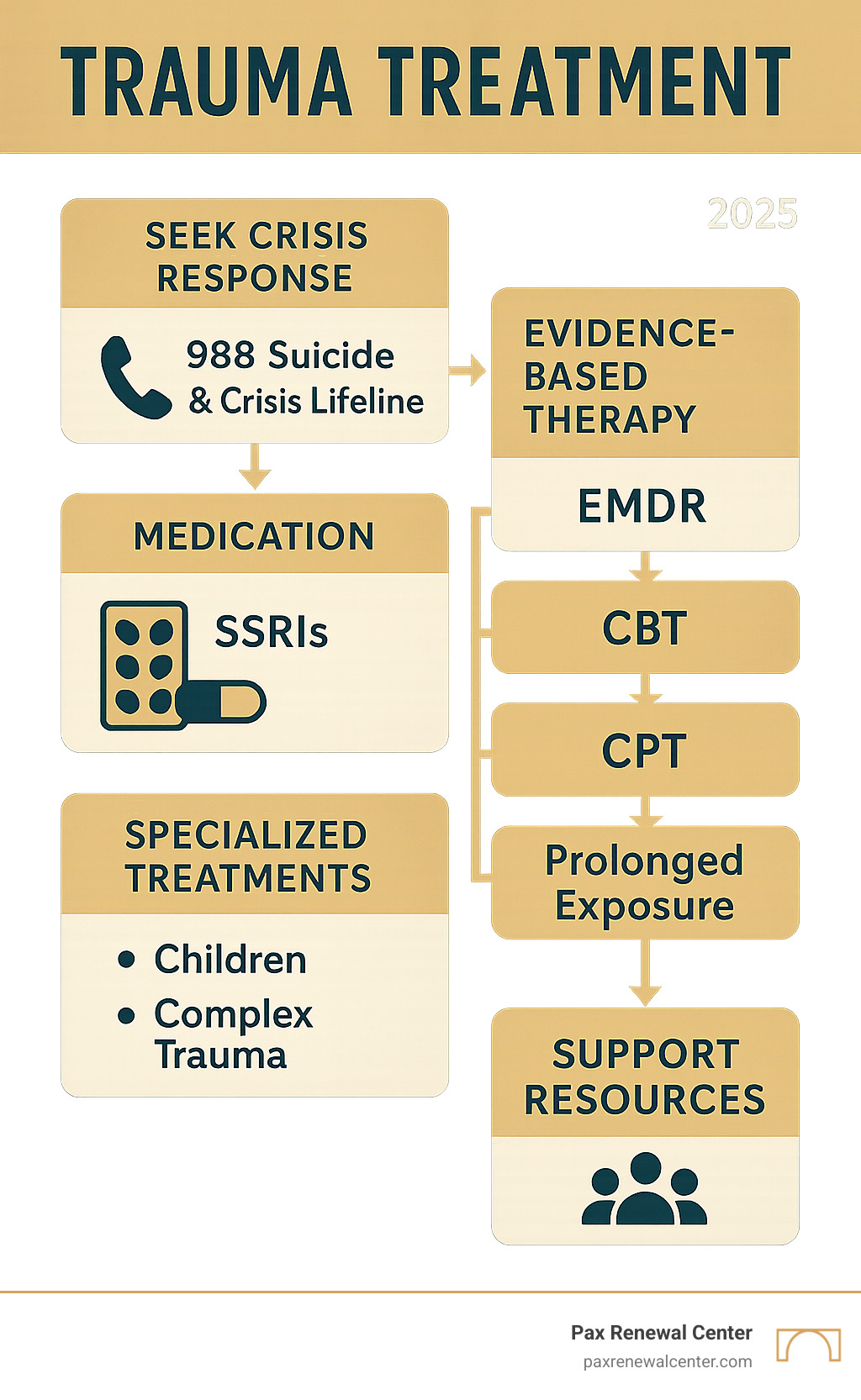
Key Trauma Treatment Options:
- Trauma-focused psychotherapy (CBT, EMDR, CPT, Prolonged Exposure)
- Medication combined with therapy (SSRIs like sertraline or paroxetine)
- Integrated approaches combining clinical methods with spiritual guidance
- Specialized treatments for children, teens, and complex trauma
Trauma can affect every aspect of life, from relationships and work to health and faith. But healing is possible with the right support. The key is finding therapies that address both the mind and body’s response to trauma while honoring your personal values.
Research shows that trauma treatment works, helping people feel safe in the world again. As the founder and clinical director of Pax Renewal Center, I’m Dan Jurek, M.A., LPC-S, LMFT-S. With over 35 years of experience, I specialize in helping individuals and families in Lafayette, Louisiana, heal from trauma using evidence-based approaches like EMDR and trauma-focused CBT. My work integrates proven clinical methods with faith-based counseling, honoring both scientific research and spiritual healing.
Understanding Trauma and Its Impact
Trauma is the emotional aftermath of distressing events that overwhelm our ability to cope. It’s a deeply personal experience; an event that one person finds manageable may be profoundly traumatic for another.
Statistics from the U.S. Department of Veterans Affairs show that over 70% of adults have experienced at least one traumatic event, and about 6% develop post-traumatic stress disorder (PTSD). These figures highlight why effective trauma treatment is so essential.
Trauma can be categorized in several ways:
- Acute trauma results from a single event.
- Chronic trauma comes from repeated exposure to distressing situations.
- Complex trauma involves multiple traumatic experiences, often within relationships.
- Developmental trauma occurs in childhood and can impact brain development.
Trauma changes the nervous system, shifting it into a state of constant alertness. Seeking help is a recognition that the mind and body need support to heal from these very real, physical changes.
What is Trauma?
Trauma is an emotional response to an event that feels overwhelming or life-threatening. Its impact is subjective. Single events like accidents or violent crimes can shatter one’s sense of safety. Ongoing stress, such as abuse or neglect, can also be deeply traumatic. Even witnessing or learning about a traumatic event can have a lasting impact. The core issue is how the event affects a person’s sense of safety, trust, and ability to cope.
Trauma manifests in both physical and psychological ways, disrupting sleep, causing chronic pain, and leading to fear, distrust, and feelings of shame or guilt.
What is Post-Traumatic Stress Disorder (PTSD)?
While many people recover from trauma, PTSD develops when symptoms persist and interfere with daily life. It’s as if the brain’s alarm system is stuck in the ‘on’ position. This leads to impaired relationships and difficulty regulating emotions.
Key symptom clusters of PTSD include:
- Re-experiencing: Feeling as if the trauma is happening again through flashbacks, nightmares, or intrusive thoughts.
- Avoidance: Staying away from people, places, or activities that are reminders of the trauma.
- Negative thoughts and mood: A persistent sense of danger, distrust, or self-blame, along with feelings of fear, anger, or shame.
- Hyperarousal: Being constantly on edge, easily startled, having trouble sleeping, or experiencing angry outbursts.
For those dealing with these symptoms, A Guide to Coping with Traumatic Stress offers strategies for managing the daily impact of trauma while seeking professional trauma treatment.
Evidence-Based Trauma Treatment Options
If you’re struggling with trauma, know that trauma treatment works and healing is possible. The journey is unique for everyone, which is why we take an individualized approach at Pax Renewal Center, finding a path that honors your story and values.
The two main pillars of treatment are psychotherapy and medication, often used in combination for the best results. It’s vital to have open conversations with your healthcare provider about the benefits and risks of any treatment.

First-Line Talking Therapies
Talking therapies are typically the starting point for trauma treatment, with decades of research supporting their effectiveness. The APA guidelines on evidence-based treatments for PTSD recommend several first-line approaches.
- Cognitive Behavioral Therapy (CBT): Trauma-focused CBT helps you change unhelpful thinking patterns, safely process traumatic memories, and re-engage with activities you’ve been avoiding.
- Cognitive Processing Therapy (CPT): A specialized form of CBT, CPT is a structured, 12-session therapy focused on reshaping how you think about the traumatic event and challenging distorted beliefs about self-blame, safety, and trust.
- Prolonged Exposure (PE): This therapy helps you gradually and safely approach trauma-related memories and situations. It involves recounting the memory in a safe setting (imaginal exposure) and slowly returning to safe real-life situations you’ve avoided (in vivo exposure).
- Eye Movement Desensitization and Reprocessing (EMDR): EMDR uses specific eye movements to help the brain reprocess traumatic memories, reducing their emotional impact. It doesn’t require talking in detail about the trauma, making it a valuable option for many. If you’re looking for EMDR Therapy Lafayette LA, we offer this specialized, evidence-based service.
Other Effective Therapeutic Approaches
Beyond the core therapies, other approaches can be highly effective, either as complements or as the primary path to healing.
- Somatic therapy: Recognizes that trauma is held in the body and uses body-oriented techniques to release physical tension and regulate the nervous system.
- Internal Family Systems (IFS): Views the mind as having different “parts” and helps you access your core, compassionate Self to heal wounded parts.
- Narrative therapy: Helps you separate yourself from the trauma and rewrite your story, focusing on your strengths and resilience.
- Art and music therapy: Offer non-verbal ways to process emotions when words are difficult.
- Inner child work: Focuses on healing wounded parts of yourself that developed during childhood trauma.
At Pax Renewal Center, we also specialize in integrating faith and spirituality into healing. Combining approaches like EMDR with Christian faith can help clients process trauma while deepening their trust in God’s healing power.
The Role of Medication in Trauma Treatment
Medication can be a valuable support in trauma treatment, especially when symptoms are severe, but it works best when combined with therapy. It’s often considered when therapy alone isn’t providing enough relief or when symptoms interfere with daily functioning.
Antidepressants, particularly SSRIs like Sertraline (Zoloft) and Paroxetine (Paxil), are FDA-approved for PTSD and have strong research support. Anti-anxiety medications may be used for short-term relief but require careful management. Medication helps balance brain chemistry to reduce symptom intensity, but therapy is key for lasting healing.
For more insights, explore our resources on PTSD Awareness.
Navigating Your Path to Healing
Taking the first step toward healing from trauma is a courageous decision. The journey begins with getting a clear diagnosis and connecting with professional help that understands your needs and values.

How Trauma and PTSD Are Diagnosed
Diagnosing PTSD involves a comprehensive evaluation by a mental health professional. After ruling out other medical causes, they will discuss your symptoms and experiences in detail. Using criteria from the Diagnostic and Statistical Manual of Mental Disorders (DSM-5-TR), a diagnosis requires:
- Exposure to a traumatic event (direct, witnessed, or indirect).
- Presence of specific symptoms (like flashbacks, avoidance, and hyperarousal) for over a month.
- Significant distress or impairment in daily life, work, or relationships.
A professional assessment is crucial to ensure you receive the most effective trauma treatment for your specific situation.
What is Trauma-Informed Care?
Effective trauma treatment is rooted in Trauma-Informed Care. This approach shifts the focus from ‘What’s wrong with you?’ to ‘What happened to you?’, recognizing that many behaviors are survival strategies. According to SAMHSA’s concept of a trauma-informed approach, this model is built on realizing the impact of trauma, recognizing its signs, responding with integrated knowledge, and actively resisting re-traumatization.
This care is guided by six principles: safety, trustworthiness, peer support, collaboration, empowerment (voice and choice), and cultural sensitivity. These principles are woven into our practice at Pax Renewal Center to ensure every interaction is respectful and validating.
Special Considerations for Children and Teens
Trauma treatment for children and teens must be adapted for their developmental stage. When trauma is ongoing, it’s often called ‘developmental trauma’ due to its impact on growth.
- Trauma-Focused Cognitive Behavioral Therapy (TF-CBT): This evidence-based model is designed for children and adolescents. In 12-20 sessions, often with parental involvement, it helps young people learn coping skills and process trauma through creating a ‘trauma narrative.’ You can find more information on TF-CBT for youth here.
- Play Therapy: For younger children, play is a natural form of communication. Play therapy provides a safe space to express traumatic experiences and emotions non-verbally using toys and games.
Family involvement is key to a child’s healing. Our team at Pax Renewal Center specializes in therapy for children and adolescents, including play therapy and teen counseling, to provide compassionate, age-appropriate care.
Support Systems and Coping Strategies
Healing from trauma involves more than formal therapy. Building strong support systems and developing effective coping strategies are essential for managing symptoms and fostering resilience.

Self-Care and Coping with Symptoms
Self-care outside of therapy is a vital part of healing. This daily toolkit helps you manage symptoms and rebuild a sense of safety.
- Grounding techniques: When symptoms feel overwhelming, use the 5-4-3-2-1 technique (name 5 things you see, 4 you touch, etc.) to bring yourself back to the present moment.
- Mindfulness practices: Meditation and deep breathing can calm your mind and body. Use these alongside professional trauma treatment, not as a replacement.
- Physical health: A healthy diet, regular exercise, and prioritized sleep directly impact your mood and energy. Movement helps process stored trauma.
- Avoid self-medication: While substances like alcohol may offer temporary numbness, they interfere with the brain’s healing process and can worsen symptoms.
- Stay connected: Meaningful relationships with supportive friends, family, or support groups provide a powerful buffer against trauma’s isolating effects.
For more strategies, explore our Coping (Tag) resources.
How to Support a Loved One with PTSD
Supporting a loved one with trauma can be challenging, but your presence makes a difference. Here’s how you can help:
- Learn about trauma: Understand that their reactions (anger, withdrawal) are survival responses, not character flaws.
- Listen without judgment: When they talk, simply be present. Avoid giving advice or minimizing their pain. A simple “I’m here for you” can be incredibly healing.
- Encourage professional help: You can’t force someone into trauma treatment, but you can offer to help research therapists or attend appointments with them.
- Celebrate small steps: Recovery isn’t linear. Acknowledge small victories to help your loved one see their own strength.
- Prioritize your own well-being: Supporting someone with trauma is draining. Seek your own support, set healthy boundaries, and take care of yourself. Your well-being is essential.
Frequently Asked Questions about Trauma Treatment
It’s natural to have questions when considering trauma treatment. Understanding what to expect can ease anxiety about starting. Here are answers to common questions.
How long does trauma treatment take?
The duration of trauma treatment varies for each person. For single-incident trauma, therapies like CPT (about 12 sessions) or EMDR (6-12 sessions) can be relatively brief. For complex trauma, which often stems from repeated events, healing takes longer as there are more layers to process. The focus is on steady progress, not speed. Healing is a process, and every step forward counts.
Can PTSD be cured completely?
While a traumatic memory will always be part of your story, trauma treatment can dramatically change its effect on your daily life. Effective management is absolutely possible. The goal is to reduce symptoms so they no longer control your emotions and choices. Recovery means the trauma no longer interferes with your ability to live a full, meaningful life. This kind of healing is achievable.
Is online therapy effective for trauma?
Yes, online trauma treatment can be highly effective. Many evidence-based therapies, including EMDR and CPT, adapt well to secure video platforms. The crucial therapeutic relationship can be built through a screen. Online therapy offers advantages like convenience and the comfort of being in your own safe space, which can be especially helpful for trauma survivors. At Pax Renewal Center, our online programs have helped many people access quality care. The key is finding a therapist experienced in both trauma and online delivery.
Taking the First Step Towards Healing
If you are struggling with the effects of trauma, know that hope for recovery is real and healing is possible. The journey begins with the courageous step of reaching out for professional help. Finding a qualified therapist who understands trauma and aligns with your personal values is essential.
At Pax Renewal Center in Lafayette, Louisiana, we know trauma treatment is about more than symptoms; it’s about reclaiming your life. My team of qualified, faith-based therapists and I are dedicated to helping individuals, couples, and families find emotional healing, relational restoration, and spiritual renewal.
We offer compassionate, faith-based therapy that integrates proven clinical methods like EMDR and CBT with spiritual guidance rooted in Catholic and Christian values. This holistic approach to trauma treatment honors the connection between your emotional wounds and your spiritual journey.
Your healing matters. Whether you’re dealing with a single event or complex trauma, our team is ready to provide the professional, compassionate care you deserve. We’ve seen countless people move from surviving to thriving, and we believe the same is possible for you.
We invite you to take that first brave step. Learn more by reading Finding Hope and Healing: A Guide to Trauma Treatment and explore our trauma-informed counseling services to see how we can support you.