Why 14 Million Long-Distance Couples Are Turning to Professional Therapy
Couples counseling for long distance relationships is one of the most effective ways to protect your relationship when miles stand between you and your partner. Here’s what you need to know right away:
Quick answer: Does LDR couples counseling actually work?
- Yes — online couples therapy is just as effective as in-person therapy, according to research
- Sessions happen via secure video, so both partners join from wherever they are
- Therapists use proven methods like EFT and the Gottman Method, adapted for virtual settings
- Counseling helps with communication, trust, jealousy, loneliness, and future planning
- Most couples start with weekly sessions, then move to biweekly as things improve
Over 14 million couples in the United States are currently in long-distance relationships. That’s a staggering number — and behind every one of those relationships is a real person lying awake at night wondering: Will we make it?
Distance doesn’t just create physical separation. It creates emotional separation too. Misread texts. Missed calls that spiral into arguments. The slow, quiet drift that happens when two people stop feeling connected — even when they still love each other deeply.
The good news? That drift is not inevitable. With the right support, long-distance couples don’t just survive — they grow closer.
I’m Dan Jurek, M.A., LPC-S, LMFT-S, founder and clinical director of Pax Renewal Center in Lafayette, Louisiana, and I’ve spent over 35 years helping couples heal, reconnect, and build stronger relationships — including specialized couples counseling for long distance relationships using evidence-based approaches like EFT and the Gottman Method. In this guide, I’ll walk you through everything you need to know to give your relationship the professional support it deserves.
The Unique Challenges of Long-Distance Relationships
Living apart from the person you love is, quite frankly, exhausting. It isn’t just about missing their physical presence; it’s about the mental load of maintaining two separate lives while trying to keep one shared heart. At Pax Renewal Center, we often see how distance acts as a magnifying glass—small cracks in communication or trust can quickly become gaping canyons when you aren’t in the same room to repair them.
Loneliness and the “Marital Drift”
One of the most insidious challenges is what we call “marital drift.” Even if you aren’t married yet, this phenomenon occurs when couples stop sharing the “small things”—the funny thing the barista said, the frustration of a traffic jam, or the quiet sigh at the end of a long day. Over time, you might feel more like pen pals than partners. This loneliness can lead to a sense of detachment that is hard to shake, even during your precious visits.
Communication Barriers and Social Media Triggers
In a long-distance setup, you lose about 90% of non-verbal cues. You can’t see the soften of a partner’s eyes or the gentle touch on a shoulder that says “I’m sorry” without a word. Instead, you have text messages. A “K” or a period at the end of a sentence can be interpreted as a declaration of war.
Then there’s the social media factor. Seeing your partner out at a party on Instagram while you’re home alone can trigger a spiral of jealousy or exclusion. Without the daily reassurance of physical proximity, your mind often fills in the blanks with your worst fears. This is why Cultivating Trust in Long Distance Relationships requires a level of intentionality that most local couples never have to master.
Financial Strain and Time Zone Exhaustion
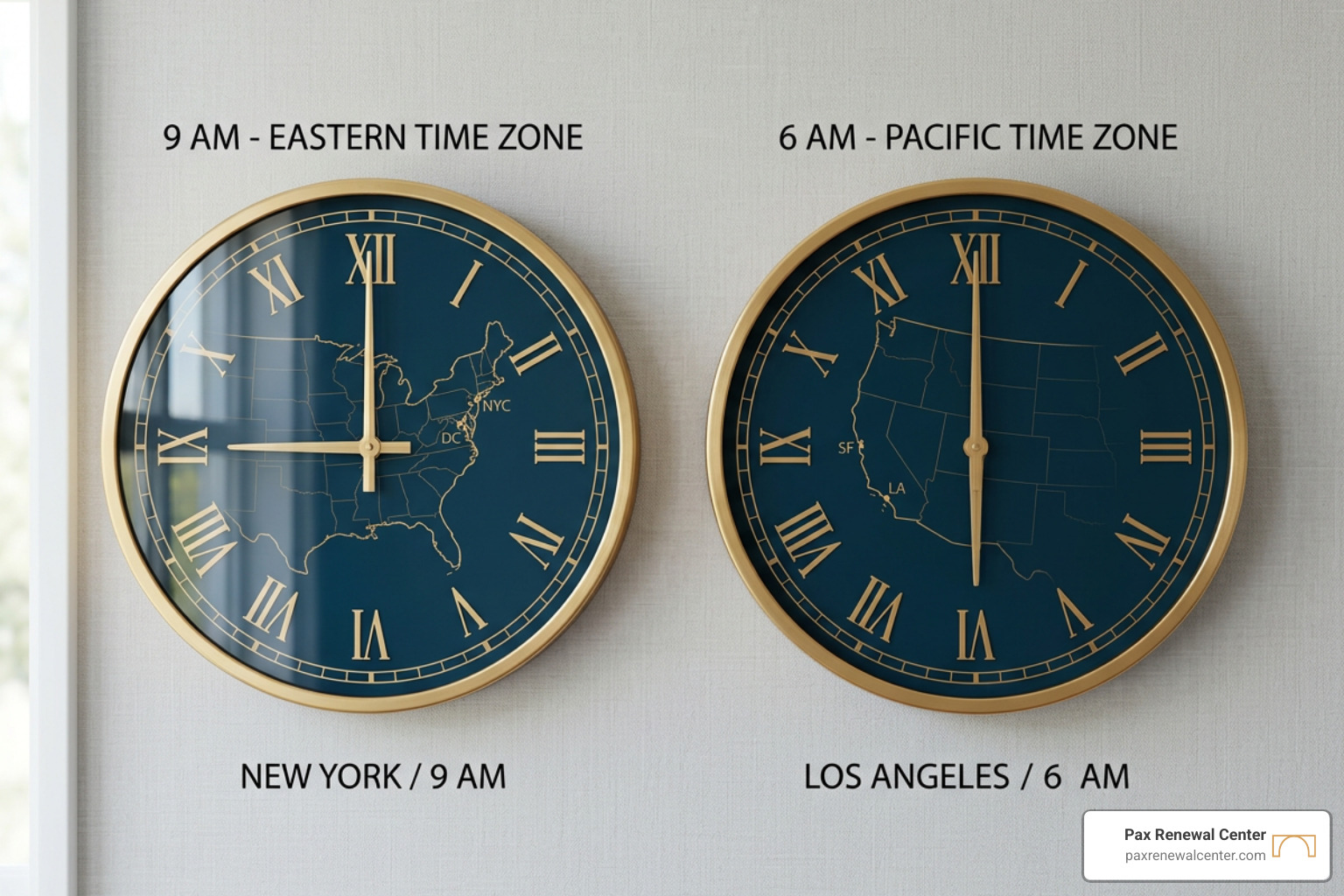
Let’s be real: distance is expensive. Flights, gas, and hotel stays add up. We’ve found that many couples experience significant stress over who pays for what and who is doing more of the traveling. When you add time zone differences—where one person is waking up as the other is heading to bed—the window for meaningful connection becomes dangerously small.
If you’re feeling the weight of these miles, you aren’t alone. Our Best Long Distance Couples Counseling Guide highlights how these specific stressors can be managed with professional help.
How Couples Counseling for Long Distance Relationships Bridges the Gap
Many couples ask us, “Can we really do therapy if we aren’t in the same room?” The answer is a resounding yes. In fact, research shows that online therapy is just as effective as in-person sessions. For long-distance couples, virtual therapy isn’t just a “second best” option—it’s often the ideal format.
How Virtual Sessions Work
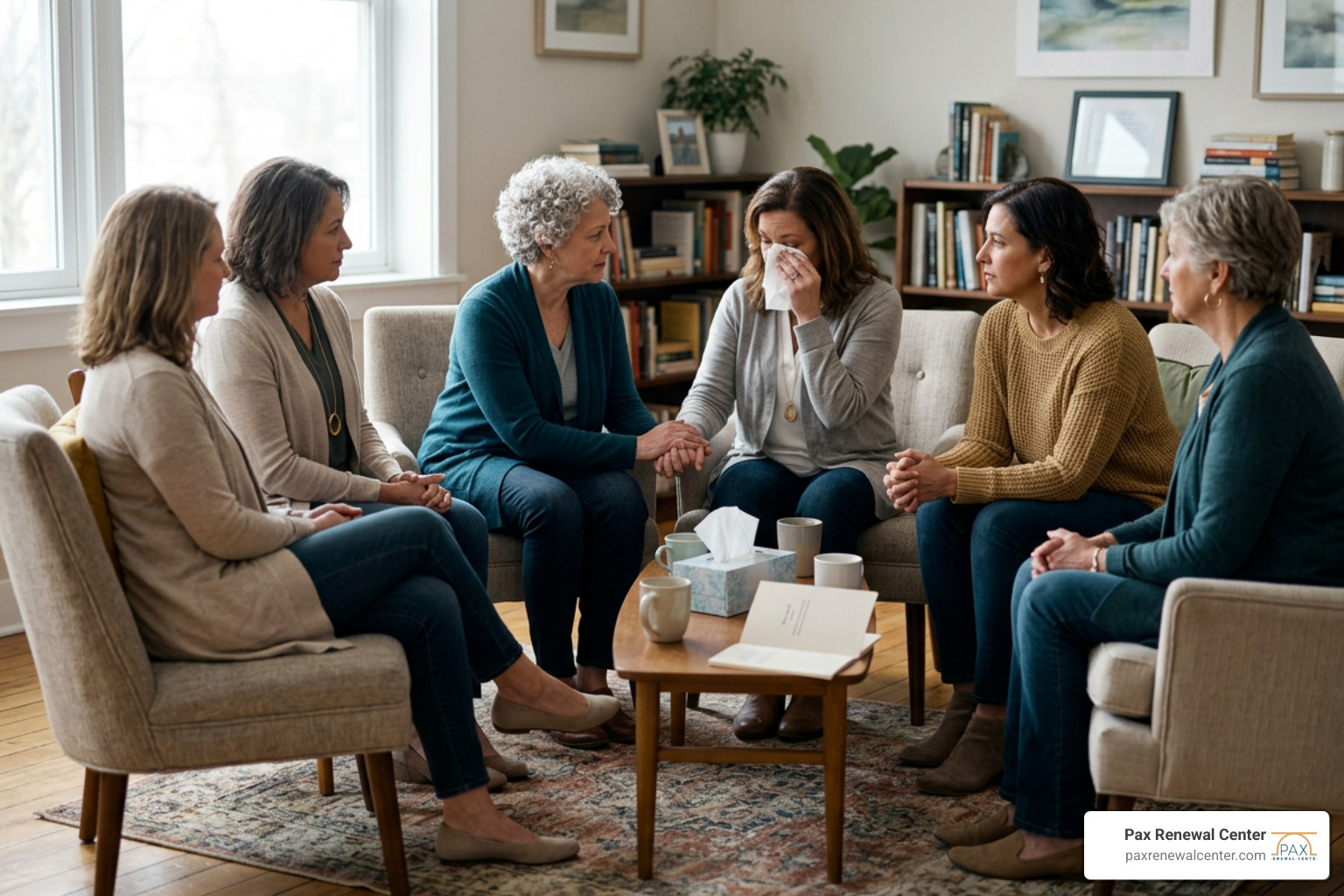
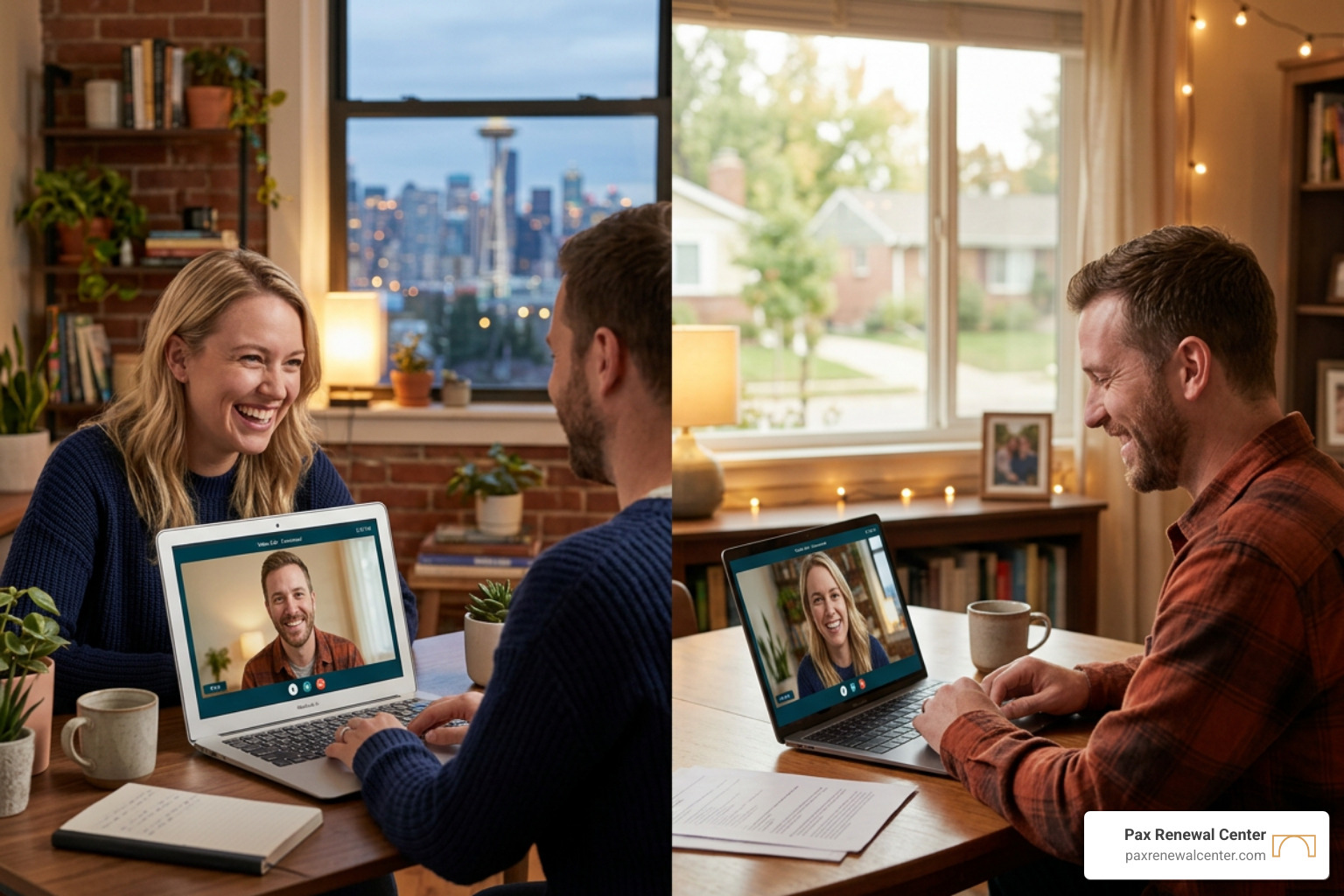
When you engage in couples counseling for long distance relationships, we use secure, HIPAA-compliant video platforms. This allows both of you to join the session from your respective locations. We can see both of your faces, observe your reactions, and facilitate a conversation that feels as intimate as if you were sitting on our couch in Lafayette.
The Benefits of a Neutral Perspective
When you’re miles apart, arguments can easily become “he-said, she-said” cycles that never resolve. A therapist provides a neutral ground. We help you map out your dynamics and identify the “pursue-withdraw” patterns that distance often exacerbates. By providing emotional safety, we allow you to express the “uncomfortable” things—like jealousy or doubts about the future—in a way that fosters connection rather than conflict.
| Feature | In-Person Therapy | Virtual LDR Therapy |
|---|---|---|
| Accessibility | Requires both to be in one city | Join from anywhere in the world |
| Comfort | Professional office setting | Familiar, safe home environment |
| Scheduling | Limited to office hours | More flexible across time zones |
| Effectiveness | High | Equally High |
| Focus | Physical presence/body language | Verbal clarity/emotional intimacy |
At Pax Renewal Center, our Online Relationship Counseling is designed to help you feel like you’re working on the same team, even when you’re on different continents.
Evidence-Based Strategies Used in Long-Distance Relationship Therapy
We don’t just “talk” about your feelings. We use proven, scientific frameworks to help you rebuild your bond. In couples counseling for long distance relationships, we focus heavily on vulnerability and conflict repair. Because you can’t just “hug it out” after a fight, you need a robust toolkit for emotional reconciliation.
The Gottman Method and Emotional Bids
Decades of research by the Gottman Institute have shown that the healthiest relationships are those where partners successfully respond to “emotional bids.” An emotional bid is any attempt at connection—a text saying “I saw this and thought of you,” or a sigh over a video call.
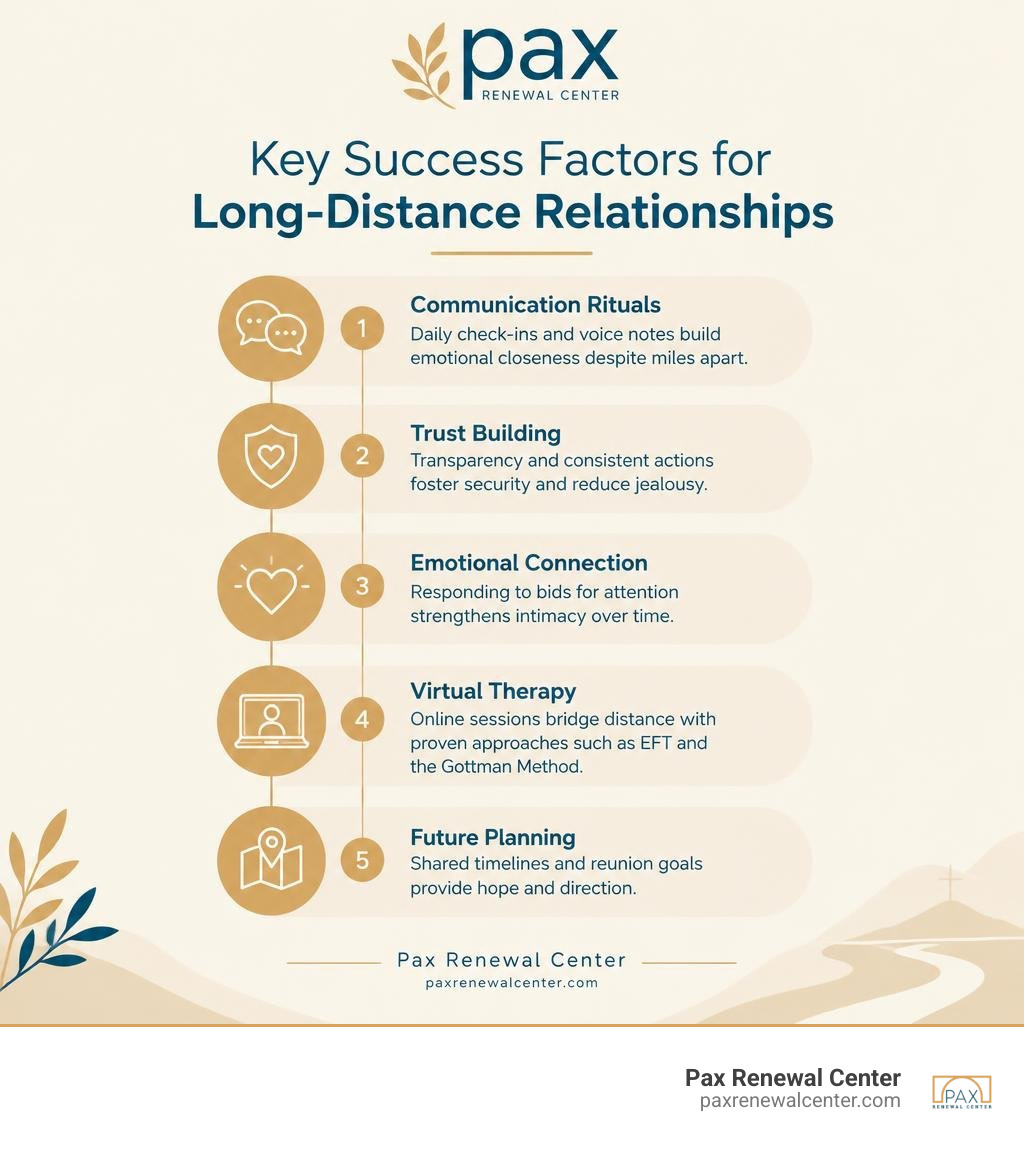
In our Gottman Marriage Counseling Complete Guide, we emphasize that in long-distance relationships, these bids are your lifeline. Because you lack physical touch, you must over-index on verbal assurances. We teach you how to “turn toward” your partner’s bids rather than turning away or against them. This builds a “Sound Relationship House” that can withstand the storms of separation.
Emotionally Focused Therapy (EFT) for Distance
EFT is all about attachment. At its core, every argument in a long-distance relationship is usually asking one question: “Will you be there for me when I need you?”
Distance triggers our “attachment alarm.” When your partner doesn’t text back, your brain might interpret that as a threat to your security. We use EFT to help you name those fears. Instead of saying, “You’re always busy with your friends,” we help you use “I” statements like, “I feel lonely and unimportant when I see you out having fun while I’m waiting for your call.” This vulnerability is the key to Long Distance Relationship Therapy.
If you’re planning for a future together, Long Distance Premarital Counseling can help you establish these secure attachment patterns before you even move into the same house.
Practical Tools to Strengthen Your Bond Between Sessions
Therapy provides the blueprint, but the real work happens in the “in-between” moments. To maintain interdependent relationships—where you are both individuals and a united couple—you need rituals.
Communication Rituals in Couples Counseling for Long Distance Relationships
We recommend quality over quantity. It is better to have one 20-minute focused video call than four hours of distracted “background” noise. Here are some rituals our therapists suggest:
- Reflective Listening: Before responding to a partner’s frustration, repeat back what you heard: “So what I’m hearing is that you felt neglected when I stayed late at work. Is that right?”
- Daily Voice Notes: A voice note allows your partner to hear your tone and inflection, which is much more intimate than a text.
- Morning Selfies: Seeing your partner’s face first thing in the morning bridges the physical gap.
- Repair Rituals: Create a “code word” for when a conversation is getting too heated over text, agreeing to move to a video call to resolve it.
Future Planning and the “Endgame” Conversation
A long-distance relationship without an “endgame” is just a hobby. Eventually, the distance must end. In couples counseling for long distance relationships, we help you have the hard conversations about relocation, career sacrifices, and timeline milestones.
- Goal-Setting: What does the next six months look like? The next year?
- Shared Vision: Are you both working toward the same finish line?
- Relocation Logistics: Discussing the “who, when, and where” helps reduce the anxiety of the unknown.
Frequently Asked Questions about Couples Counseling for Long Distance Relationships
How do we find a therapist licensed in two different states?
This is one of the most common logistical hurdles. Licensing laws usually require a therapist to be licensed in the state where the client is physically located during the session. If you and your partner are in two different states, your therapist may need to be licensed in both.
However, things are changing! Multi-state licensing compacts like PSYPACT for psychologists and the Counseling Compact for counselors are making it easier for therapists to see clients across state lines. When you contact us at Pax Renewal Center, we can help you navigate these regulations to see if our Lafayette-based team can serve you in your specific locations.
Does insurance cover online couples therapy?
The short answer is: it depends. Most insurance companies cover “telehealth,” but they may not cover “marriage counseling” unless it is tied to a specific mental health diagnosis for one of the partners (like anxiety or depression).
We recommend checking with your Employee Assistance Program (EAP) first, as many of them offer a set number of free sessions for relationship support. At Pax Renewal Center, we can provide you with the necessary documentation to seek out-of-network reimbursement if your plan allows it.
What results can we realistically expect from LDR counseling?
You can expect a significant reduction in “distance-related anxiety.” While therapy won’t make the miles disappear, it will give you:
- Improved Communication: You’ll learn to fight fair and repair quickly.
- Trust Rebuilding: If trust has been breached, we provide a structured path to transparency.
- Clarity: Sometimes, therapy helps you realize that the relationship isn’t the right fit, saving you years of long-distance heartache.
- Stronger Bond: Many of our couples report feeling closer than local couples because they’ve had to work so hard on their emotional intimacy.
Conclusion: Taking the Next Step for Your Relationship
At Pax Renewal Center, we believe that distance is just a season, not a destination. Led by Dan Jurek, our team of faith-based therapists in Lafayette, LA, is committed to helping you find relational restoration and spiritual renewal. Whether you are dealing with the stress of a military deployment, a career move, or an international romance, we are here to provide the professional, compassionate care you need.
You don’t have to navigate the silence and the screens alone. We integrate clinical best practices like EFT and the Gottman Method with a heart for healing. If you’re ready to stop just “getting by” and start thriving as a couple, we invite you to reach out.
Start your journey toward healing today and let us help you bridge the gap between where you are and where you want to be. Your love is worth the effort—and it’s certainly worth the call.