
Why Post-Marriage Support Matters More Than Ever
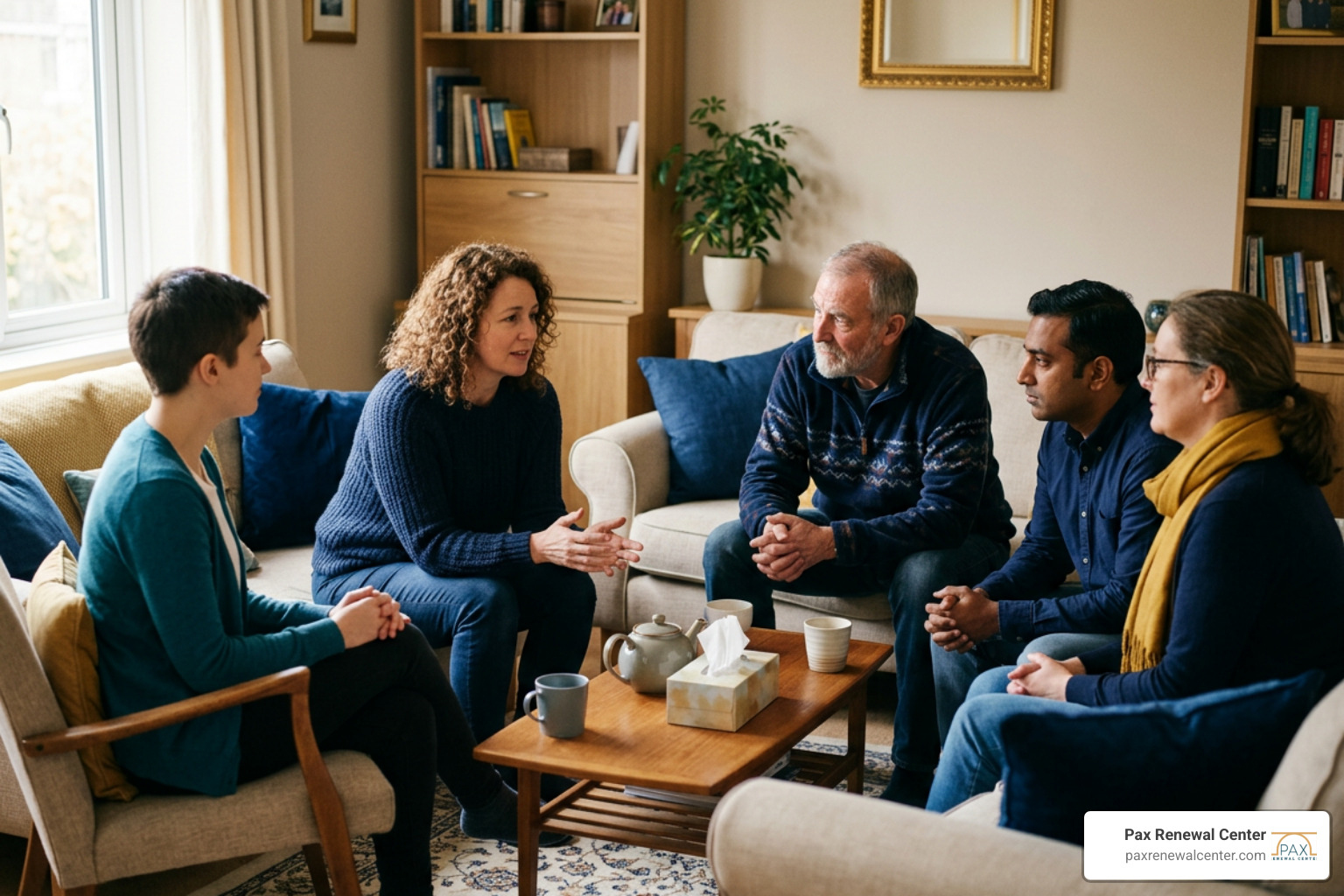
Post-marital counseling is a specialized therapy designed to help married couples navigate challenges, strengthen their relationship, and build a more fulfilling partnership. Unlike pre-marital counseling, which focuses on preparation, post-marital therapy addresses real issues couples face in their day-to-day married life, such as:
- Communication breakdowns and frequent arguments
- Loss of intimacy and emotional distance
- Major life transitions (parenthood, career changes)
- Financial disagreements and stress management
- Trust issues and affair recovery
- Conflict resolution and problem-solving skills
Research shows that over 90% of couples seeking support feel they receive the desired results from marriage counseling, making it a highly effective investment in your relationship. Seeking help doesn’t signal failure; it shows a commitment to growth. Whether you’re newlyweds, long-term partners feeling disconnected, or a couple considering separation, post-marital counseling provides the tools for lasting change.
What is Post-Marital Counseling and Who Is It For?

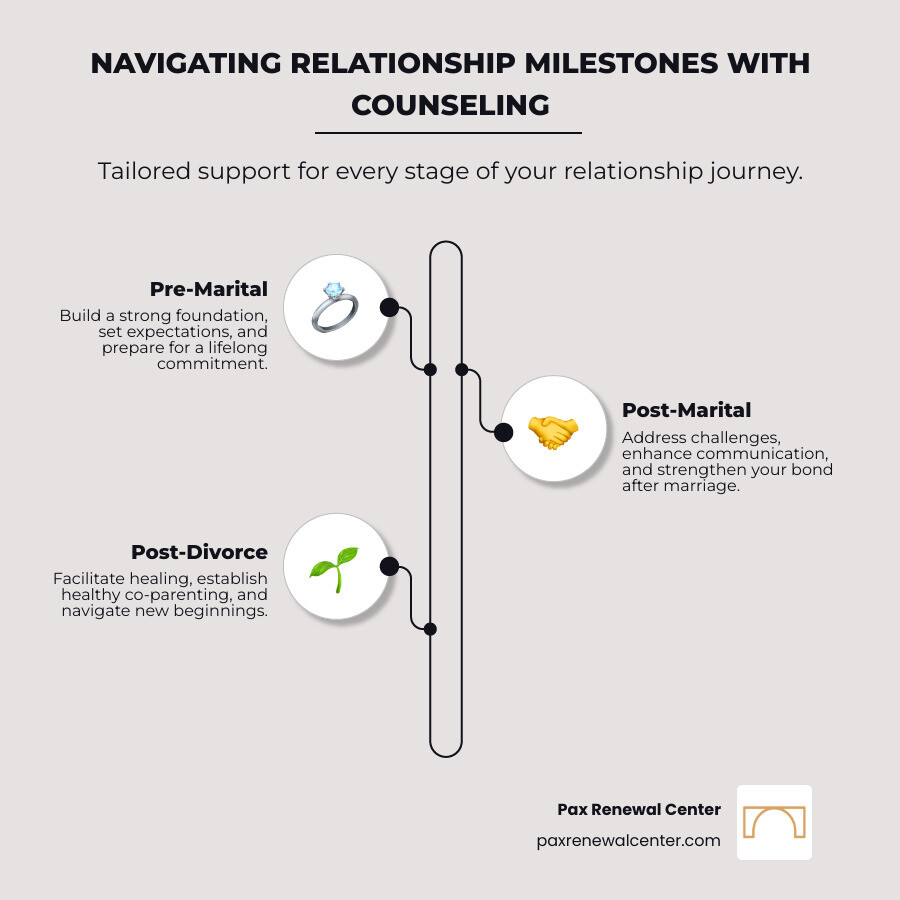
Post-marital counseling is a form of talk therapy that helps married couples navigate the real challenges that emerge after the wedding. It’s like ongoing maintenance for your relationship, providing intentional care and support. This therapy serves couples at every stage, whether you’re being proactive to strengthen a good relationship or reactive to address serious problems.
Newlyweds benefit from early support as they adjust to merged lives. Long-term partners often seek counseling when they’ve grown apart due to life’s pressures. Couples considering divorce can find clarity on whether to stay or go. Even post-divorce co-parenting relationships can benefit from structured support to improve communication for their children’s sake.
Differentiating from Pre-Marital Counseling
Pre-marital counseling focuses on preparation, setting expectations, and building a foundation. Post-marital counseling, however, is about addressing existing issues that have already appeared in your marriage. You’re actively working through current conflicts to deepen a bond strained by real-life circumstances. Pre-marital counseling asks, “Are we ready?” while post-marital counseling asks, “How do we steer the journey we’re on?”
| Pre-Marital Counseling | Post-Marital Counseling |
|---|---|
| Goals: Building foundation, setting expectations, preparing for marriage | Goals: Addressing current issues, resolving conflicts, and deepening existing bonds |
| Topics: Future planning, potential challenges, compatibility assessment | Topics: Communication breakdowns, intimacy issues, ongoing conflicts, crisis management |
Support for Every Stage of Marriage
Marriage is a winding road. Adjusting to married life can create friction over daily routines and in-law dynamics. Navigating major life transitions, such as parenthood or career changes, can trigger Marital Drift, where couples slowly grow apart. Rekindling a connection after years together requires intentional effort, which is a natural part of long-term relationships.
For couples recovering from infidelity or on the brink of separation, post-marital counseling can provide a pathway toward healing. At Pax Renewal Center, we offer compassionate, faith-based support for couples at all stages.
The Goals and Process of Post-Marital Counseling

Couples entering post-marital counseling often feel overwhelmed, but most leave with renewed hope and practical tools. The process centers on improved communication, conflict resolution, increased intimacy, and rebuilding trust. A key goal is to refind shared goals and foster personal growth for both partners, which naturally strengthens the marriage.
At Pax Renewal Center, we provide a safe, non-judgmental space to uncover unhealthy patterns and replace them with better ways of connecting. We don’t take sides or assign blame. Many of our approaches draw from The Gottman Method for healthy relationships, which offers research-backed strategies for building friendship and managing conflict.
What to Expect in Your First Post-Marital Counseling Session
Your first session is a safe space to share honestly. The initial assessment involves exploring your relationship history to understand your story and current challenges. We may meet with each partner individually before working together as a team.
Setting goals is a collaborative process. We’ll help you define what success looks like for your unique situation, whether it’s ending a recurring argument or rebuilding an emotional connection. We act as your guides, but the real growth happens when you practice new skills at home between sessions. For strategies on managing external pressures, see our insights on managing stress in marriage.
Common Therapeutic Approaches
We use several proven methods custom to your relationship. Emotionally Focused Therapy (EFT) helps you understand the emotional cycles that keep you stuck. The Gottman Method provides practical, research-based tools for productive conversations and building friendship. Integrative Behavioral Couple Therapy (IBCT) helps you accept and understand partner differences that can’t be “fixed.”
What sets Pax Renewal Center apart is our integration of faith-based guidance. As a Christian counseling practice, we know that forgiveness, spiritual connection, and grace are powerful healing forces. Inviting God into the restoration process can lead to bigger, more lasting change. This holistic approach addresses not just marital distress, but the deeper longings of the heart.
Common Issues Addressed in Counseling

Every marriage faces challenges; what matters is how you address them together. Post-marital counseling provides a safe haven to tackle sensitive issues with professional guidance. Common problems include communication breakdowns, intimacy issues (both emotional and physical), financial disagreements, and parenting differences. Major life transitions, infidelity recovery, and external stress can also strain a relationship.
Counseling helps couples develop improved communication patterns, learn effective conflict resolution skills, and rekindle intimacy. We guide partners in aligning on parenting styles, navigating life changes as a team, and healing from betrayal. The goal is to clarify roles, manage pressures, and set meaningful goals for the future.
Improving Communication and Resolving Conflict
The way couples communicate determines if their marriage thrives. We focus on changing these interactions:
- Active listening: Giving your partner full attention to truly understand their perspective.
- Expressing needs clearly: Using “I” statements to communicate feelings without blame.
- Empathy and validation: Acknowledging your spouse’s feelings as valid, even if you disagree.
- De-escalation techniques: Recognizing warning signs and pausing heated discussions before they become destructive.
- Fair fighting rules: Focusing on the issue at hand without personal attacks or dredging up the past.
- Finding common ground: Remembering you’re on the same team and working toward shared solutions.
Rebuilding Intimacy and Emotional Connection
Intimacy is the heartbeat of a marriage, but it often suffers under stress. We help couples refind that connection:
- Emotional safety: Creating a relationship where both partners can be vulnerable without fear of judgment.
- Physical affection: Expressing love through touch, from holding hands to spontaneous hugs, which strengthens the marital bond.
- Sexual relationship: Providing a safe space to discuss desires and concerns with sensitivity and openness.
- Shared experiences: Establishing regular date nights or new hobbies to breathe life back into the relationship.
- Love maps: A Gottman Method concept of truly knowing your partner’s inner world—their stresses, dreams, and fears.
- Vulnerability: Sharing your whole self, including struggles and insecurities, which is the foundation of deep, soul-level intimacy.
Key Questions and Deciding Factors

Choosing post-marital counseling is a significant step, one that shows courage and commitment to your relationship. Before starting, ensure both partners are safe. If your relationship involves domestic violence or substance abuse, these critical issues require immediate, specialized attention before couples therapy can be effective. Seeking help isn’t an admission of failure; it’s a choice to fight for your marriage.
Questions to Ask Yourself Before Starting Therapy
Honest self-reflection can prepare you for the counseling journey. Consider these questions:
- What are my expectations for our marriage? Are they realistic? Have they changed over time?
- How do we handle disagreements? Are our arguments productive, or do they leave us feeling hurt and misunderstood?
- What are our shared goals? Have we stopped dreaming about our future together?
- Am I willing to change? Real progress happens when both people examine their own behaviors, not just their partner’s.
- What am I willing to do to save this relationship? Are you ready for difficult conversations and new ways of interacting?
If you’re struggling with whether to stay or separate, our Discernment Quiz can help you explore these complex feelings.
When is Post-Marital Counseling Most Effective?
Counseling isn’t magic, but under the right conditions, it can create profound change. Therapy works best with:
- Early intervention: Addressing problems before years of resentment build up leads to faster, better results.
- Commitment from both partners: Success increases dramatically when both people participate honestly, even if one is reluctant.
- Openness and willingness to do the work: The real change happens between sessions when you practice the new skills you’re learning.
Counseling can also be powerful at a crisis point, such as when considering separation. When everything is on the line, couples often find the motivation to make changes they’ve been avoiding. For those wrestling with this specific decision, our Introductory Guide to Discernment Counseling offers clarity without pressure. Seeking post-marital counseling is a sign that your marriage matters enough to fight for.
Frequently Asked Questions about Post-Marital Counseling
Taking the first step toward post-marital counseling brings up practical questions. We’re here to provide the clarity you need to make an informed decision for your relationship.
How much does marriage counseling cost?
The investment varies by location, therapist experience, and session format. Across the U.S., couples therapy typically ranges from $175 to $250 per session. Online marriage counseling is often more accessible, averaging $65 to $90 per session, and many couples find it just as effective.
At Pax Renewal Center, we believe finances shouldn’t be a barrier to help. We offer options like potential sliding scale fees and online programs to fit different budgets. We encourage you to discuss your situation with us. Also, check if your insurance coverage includes mental health benefits for couples counseling.
How long does counseling take to work?
The timeline is unique to every couple and depends on the complexity of your issues and your commitment to the process. Some couples see improvement in just a few sessions. Those dealing with deeper wounds like infidelity or long-term resentment may benefit from therapy over several months.
On average, many couples attend about 12 sessions. We often start weekly to build momentum and then space out appointments as you gain confidence. The most crucial factor is the work you do between sessions. Practicing the tools and completing “homework” leads to faster, more lasting results.
Can counseling help if only one partner wants to attend?
Yes, this is very common and can still lead to significant positive change. Individual counseling focused on marital issues helps the attending partner gain clarity, learn new coping skills, and break negative cycles.
Often, one partner’s positive changes can shift the entire relationship dynamic, making the other spouse more open to joining later. Even if your partner never attends, you will benefit from learning to manage stress, set boundaries, and communicate your needs more effectively. The key is to understand you can only change yourself—but sometimes, that’s all it takes to breathe new life into a marriage.
Your Path to a Stronger, More Fulfilling Marriage
Your marriage doesn’t have to stay stuck. At Pax Renewal Center, we’ve seen countless couples find renewed hope and create lasting change through post-marital counseling. Reaching out for help is a courageous first step toward a deeper, more fulfilling partnership.
Post-marital counseling isn’t just about fixing what’s broken; it’s about building something stronger. When both partners commit to growth, even marriages that seem hopeless can find new life. Building a resilient partnership takes practical tools and professional guidance, which is what we provide at Pax Renewal Center in Lafayette, Louisiana.
Our team of highly qualified, faith-based therapists integrates proven clinical methods like Emotionally Focused Therapy and the Gottman Method with Christian values. This holistic approach helps couples resolve conflicts and find deeper meaning in their relationship. Led by Dan Jurek, with over 35 years of experience, our team is passionate about helping marriages thrive.
We make quality counseling accessible through both in-person sessions at our Lafayette location and convenient online programs. Your journey is unique, and we’re here to support you.
Ready to strengthen your marriage? The path forward starts now. Explore our counseling services and find out how post-marital counseling can help you build the joyful, connected future you both deserve. Your marriage is worth fighting for, and you don’t have to fight alone.