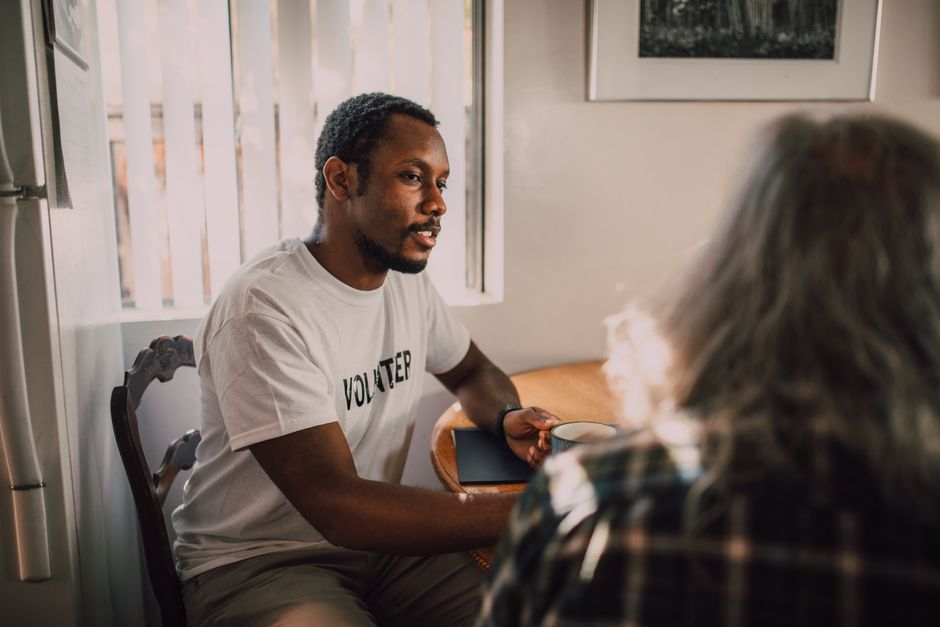
Understanding the Role of a Spouse Grief Support Group
When you lose a partner, the world can suddenly feel like a foreign country where you don’t speak the language. Friends and family, though well-intentioned, often “go back to their lives” after a few weeks, leaving you in a silence that feels heavy and permanent. This is where a spouse grief support group becomes an essential bridge.
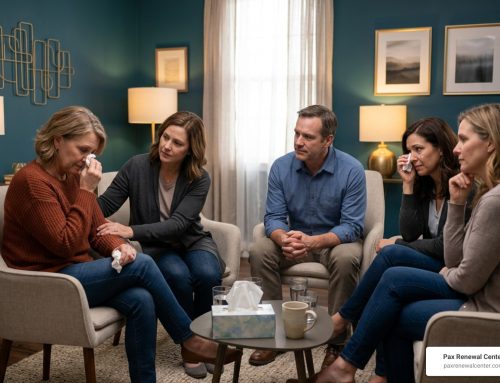
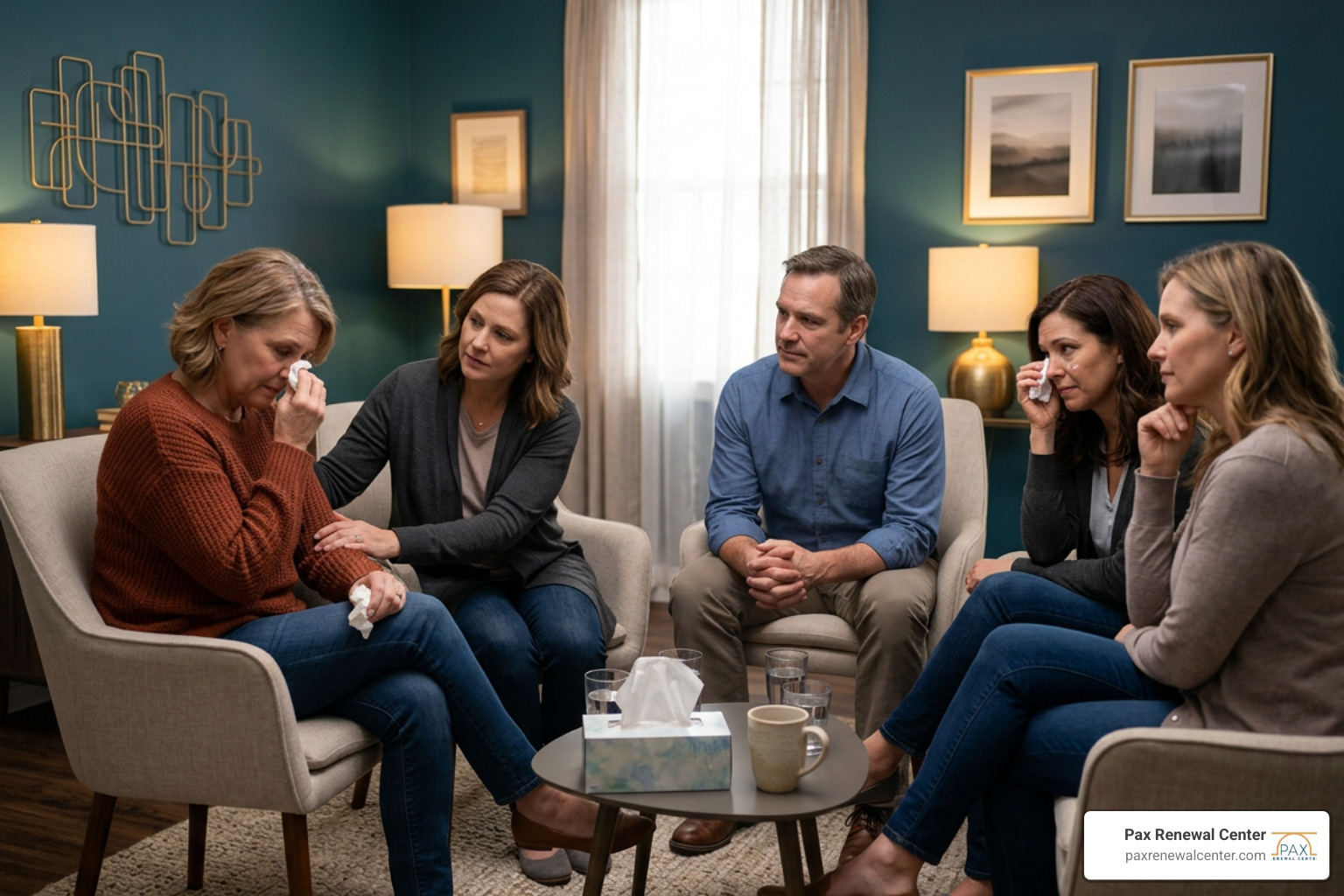
The primary role of these groups is to provide peer validation. There is a unique relief in sitting across from someone who truly understands why you still haven’t moved your spouse’s toothbrush or why the grocery store is a minefield of triggers. This shared experience creates an environment of emotional safety where you can say the “unthinkable” things—about anger, relief, or deep-seated guilt—without fear of judgment.
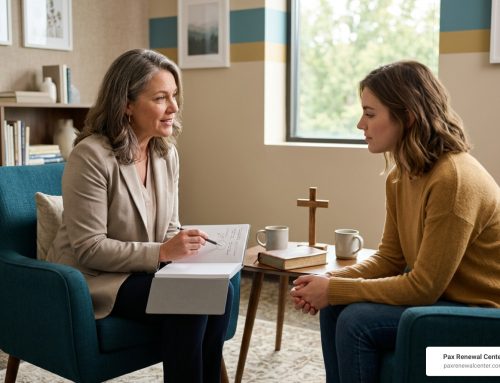
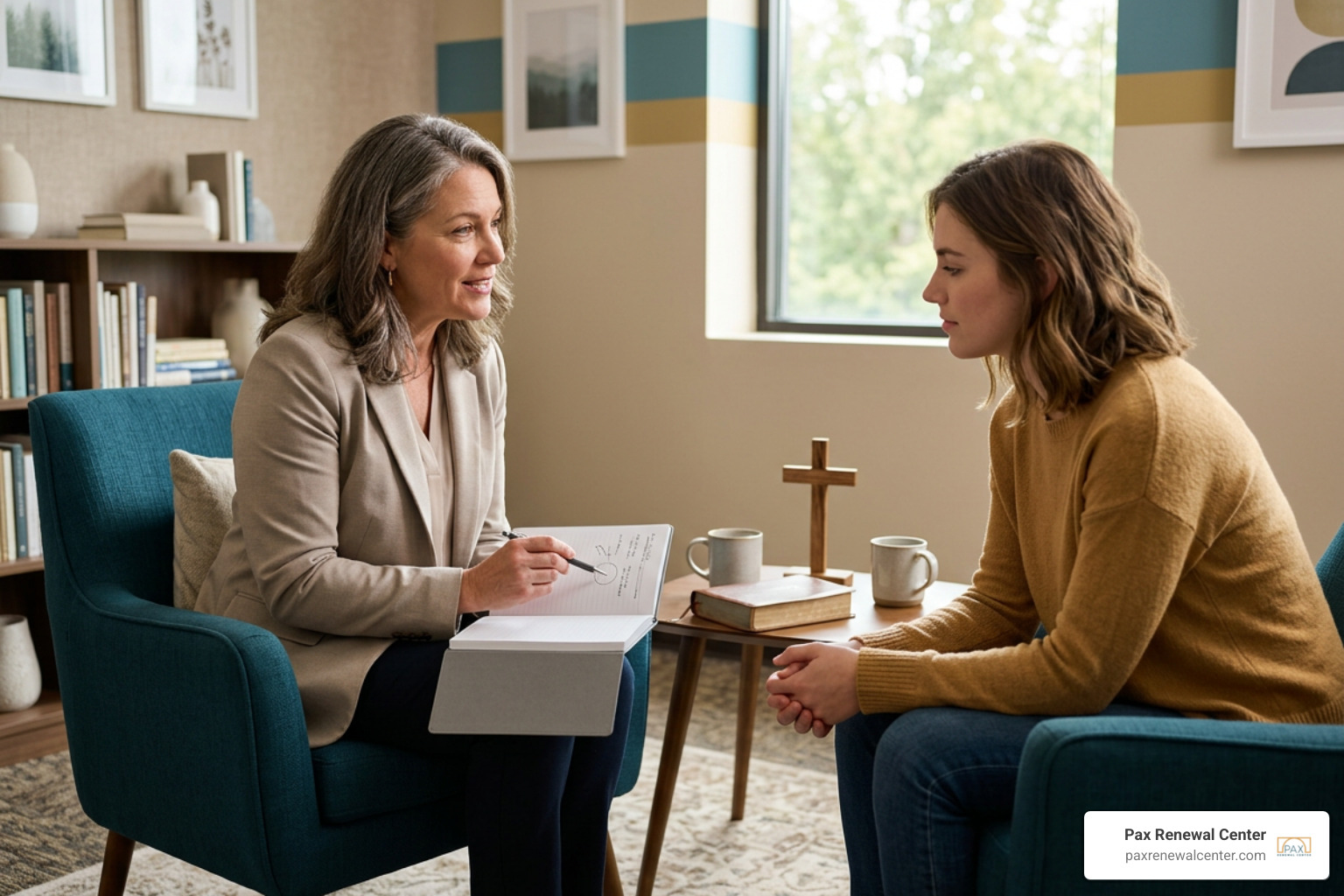
At Pax Renewal Center, we often see how grief is compounded by “secondary losses.” You aren’t just losing a person; you are losing your co-parent, your financial partner, your travel companion, and your best friend. A support group helps you navigate these layers. Many groups utilize a “companioning model,” which focuses on being present with the pain rather than trying to “fix” it. This approach honors the fact that grief is not a disease to be cured, but a journey to be walked. If you are looking for more structured guidance, exploring a grief counseling linden la guide can help you understand how professional services complement these peer groups.
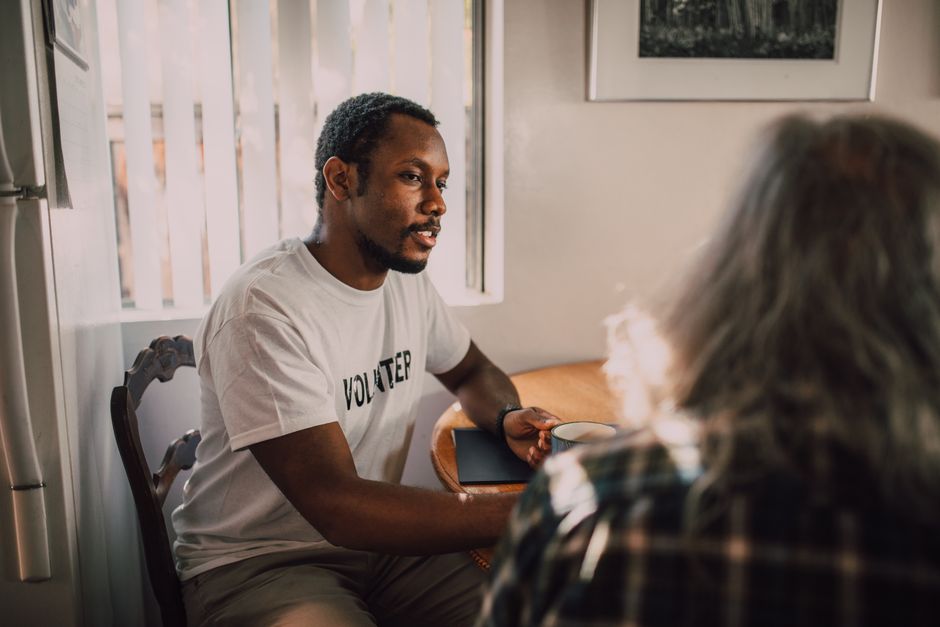
Benefits of Joining a Spouse Grief Support Group
The benefits of joining a spouse grief support group extend far beyond just having a place to talk. Participants often report a significant reduction in the crushing isolation that follows a death. Other key benefits include:
- Normalizing the “Crazy”: Grief can make you feel like you are losing your mind. Hearing others describe the same “brain fog” or “widow brain” validates that your reactions are normal.
- Practical Coping Strategies: Members often share wisdom on how to handle the first anniversary, how to manage finances alone, or how to explain the loss to children.
- Identity Rebuilding: Your identity was likely intertwined with your spouse. The group provides a safe laboratory to begin figuring out who “I” am now that “we” is gone.
- Emotional Release: It is a designated time and place where you are allowed—and encouraged—to express your emotions fully, which can provide a massive sense of empowerment and hope.
How Groups Differ from Individual Therapy
It is a common question: “Do I need a group, or do I need a therapist?” The answer is often “both,” but they serve different functions.
Individual Therapy is a one-on-one clinical relationship. It is highly personalized and deep-dives into your specific history, trauma, and mental health. It is ideal for addressing complicated grief, clinical depression, or using specialized tools like EMDR. You can find more information on finding grief therapists near me to see if this path is right for you.
Spouse Grief Support Groups, on the other hand, offer communal healing. While a therapist provides professional expertise, a group provides a “chorus of witnesses.” There is a social connection in a group that therapy cannot replicate. However, it is important to remember that a support group is not a substitute for therapy, especially if you are in an acute crisis. In those moments, crisis hotlines or immediate clinical intervention are necessary.
Types of Support Groups for Partner Loss
Not every spouse grief support group is the same. Finding the right “fit” is crucial for your healing. Some people prefer the physical presence of an in-person group, while others find the convenience and anonymity of a virtual Zoom group more comforting.
| Feature | In-Person Groups | Virtual (Zoom) Groups |
|---|---|---|
| Connection | High physical presence; allows for hugs and eye contact. | Convenient; accessible for those with mobility or transport issues. |
| Privacy | Meets in local churches, hospitals, or community centers. | Allows you to join from the comfort of your own home. |
| Pacing | Usually follows a local, set schedule. | Often offers more variety in times (evenings/weekends). |
| Focus | Often general spousal loss. | Can be more niche (e.g., “Young Widows with Toddlers”). |

Specialized Spouse Grief Support Group Options
Grief is not “one size fits all.” Depending on the circumstances of your loss or your stage in life, you might find more comfort in a specialized group:
- Age-Specific Tracks: A 30-year-old widow facing decades of solo parenting has very different needs than a 75-year-old widower adjusting to a quiet house after 50 years of marriage. Many organizations offer “Under 50” and “Over 50” groups.
- Cause-Specific Support: Loss to cancer often involves long-term caregiving trauma, while loss to suicide or overdose may carry heavy burdens of stigma and “what ifs.”
- Faith-Based Options: For many, grief is a spiritual crisis. Groups like GriefShare offer a Christian-centered 13-week curriculum that integrates prayer and scripture into the recovery process.
- Young Parents: These groups focus on the dual burden of grieving a partner while “holding it together” for children.
Finding and Registering for a Spouse Grief Support Group
Finding a group in Lafayette, LA, or online is easier than it used to be. You can start by checking with local hospices or large church initiatives. Many people find success through:
- Online Directories: Websites like GriefShare allow you to search by zip code for groups meeting near you.
- Professional Referrals: Ask your doctor or a local counselor for a list of reputable bereavement groups.
- Registration Process: Most groups require an “intake” or a brief phone call. This isn’t an interview; it’s just to ensure the group is a good fit for your current needs. For example, some groups recommend waiting 6–8 weeks after the loss before joining to ensure you’ve moved past the initial shock.
- Cost: While some professionally-led groups may have a small fee (often around $50 for a multi-week cycle), many are free or donation-based. Scholarships are frequently available for those facing financial hardship.
If you are ready to take that step, you can register for a support group or consult a complete guide to grief counseling to explore all your options.
What to Expect: Structure, Topics, and Facilitation
Walking into your first spouse grief support group session can feel intimidating. Knowing the structure can help lower that anxiety. Most structured programs, like those used by many churches and community centers, follow a 13-week cycle.
These are typically “closed groups,” meaning once the second or third week passes, no new members are added. This helps build a deep sense of trust and intimacy among the 6 to 12 participants. Meetings usually last about 90 minutes and are led by trained facilitators—often a mix of mental health professionals and volunteers who have experienced loss themselves.

Common Topics and Discussion Areas
The curriculum of a spouse grief support group is designed to hit the “pain points” of widowhood. You can expect to discuss:
- Loneliness and Silence: How to cope when the “noise” of a partner is gone.
- Anger and Guilt: Processing the “why” and the “if only.”
- Emerging Identity: Who am I now?
- Dating and Remarriage: Navigating new relationships (did you know nearly 60% of remarriages end in divorce? This underscores the importance of healing before moving forward).
- Rebuilding Purpose: Finding a reason to get out of bed when your primary “reason” is gone.
- Holiday Survival: Strategies for getting through the first Thanksgiving or Christmas.
For those looking for a faith-aligned perspective on these struggles, Christian trauma support groups can provide additional spiritual layers to these discussions.
Preparing for Your First Session
You don’t need to “have it all together” to show up. In fact, it’s better if you don’t. Here is how to prepare:
- Manage Your Expectations: You might cry the whole time, or you might not say a word. Both are perfectly okay.
- Bring a Journal: Many groups provide a workbook, but having your own place to jot down thoughts can be helpful.
- Respect Confidentiality: What is said in the circle stays in the circle. This is the foundation of the group’s safety.
- Practice Self-Care: Plan something gentle for after the meeting—a walk, a favorite meal, or just a nap. Processing grief is physically exhausting.
Frequently Asked Questions about Spouse Bereavement
When is the right time to join a group after losing a partner?
While everyone is different, many professionals suggest waiting at least 6 to 8 weeks. The initial period is often a blur of logistics and shock. Waiting a month or two allows you to reach a point where you can actually process the information and support being offered. However, if you feel profoundly isolated, some “drop-in” groups are available immediately.
Are there free spouse grief support groups available?
Yes. Many hospice organizations and churches offer bereavement support at no cost to the community. Even groups that charge a fee for workbooks or materials often have scholarships available. At Pax Renewal Center, we believe quality care should be accessible, and we often point people toward these community resources.
Can I participate in a group if my loss was several years ago?
Absolutely. Grief doesn’t have an expiration date. Sometimes the “second year” is actually harder than the first because the initial support system has moved on. There are even specialized groups, like “Living On,” specifically designed for those 18 to 30 months post-loss who are focused on identity integration and moving forward.
Conclusion
Navigating the death of a partner is perhaps the most profound journey you will ever walk. But you do not have to walk it alone. A spouse grief support group offers a unique sanctuary where your pain is seen, your love is honored, and your future is slowly rebuilt among friends who truly understand.
At Pax Renewal Center in Lafayette, Louisiana, Dan Jurek and our team of faith-based therapists are dedicated to this process of emotional healing and spiritual renewal. Whether you are looking for the communal support of a group or the deep, individualized work of one-on-one counseling, we integrate clinical excellence with compassionate, values-rooted care.
If you’re ready to find a path through the pain toward restoration, we invite you to start your healing journey with our professional services. You’ve spent a long time taking care of others; now, let us help take care of you.